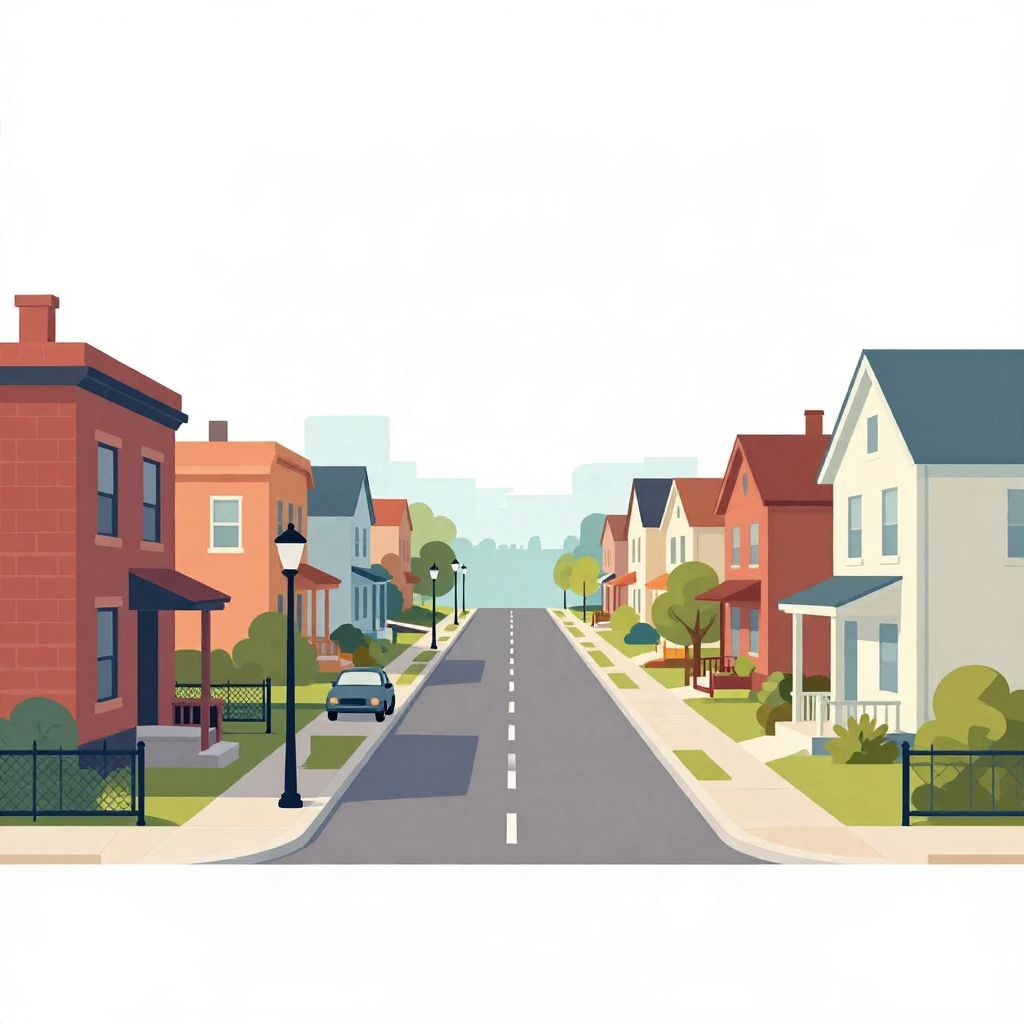
If you’re asking what is the setting of The Outsiders, the short answer is that S. E. Hinton places the novel in Tulsa, Oklahoma, in the early 1960s. The story unfolds in a working-class neighborhood and its surrounding city spaces, where class tensions shape how the characters move, speak, and survive.
That setting is more than a backdrop. It gives the novel its social pressure, its sense of danger, and its emotional realism, helping readers understand why the conflict between the Greasers and the Socs feels so immediate.
What is the setting of The Outsiders?
The setting of The Outsiders is Tulsa, Oklahoma, during the early 1960s, especially the poorer East Side and the wealthier parts of town where the Greasers and Socs come into contact. Hinton uses this divided city to show how neighborhood, money, and reputation affect every relationship in the novel. The setting creates the social divide that drives the plot.
Why the setting matters in the novel
The setting is not just where the story happens; it is one of the novel’s main sources of conflict. In The Outsiders, class difference is visible in the streets, houses, cars, and hangout spots, so the city itself becomes a map of inequality.
Because the characters are teenagers, their world feels small and immediate. A few blocks can separate safety from danger, belonging from exclusion, and childhood from violence.
Class division in Tulsa
The Greasers live on the poorer side of town and are often associated with working-class life, while the Socs come from more privileged backgrounds. Hinton does not present these groups as simple stereotypes; instead, she shows how place and class expectations shape behavior.
This division matters because the boys are judged before they are known. Their setting makes social identity feel fixed, even though the novel keeps asking readers to look beyond appearances.
Neighborhoods, hangouts, and social space
Much of the action takes place in ordinary teen spaces: homes, streets, empty lots, movie theaters, parks, and the church where Ponyboy and Johnny hide. These locations help the novel feel grounded in everyday life rather than in a distant or glamorous setting.
At the same time, each place carries emotional meaning. A neighborhood can feel protective, a park can become threatening, and a church can become a temporary refuge.
The historical and cultural context of The Outsiders
The novel was published in 1967, but its setting reflects an earlier 1960s youth culture. That period matters because American teenagers were increasingly visible as a social group, and ideas about rebellion, style, and class identity were becoming tied to youth culture.
Hinton wrote the book as a teenager herself, and that closeness to adolescent experience helps explain the setting’s authenticity. The world of the novel feels observed from inside teenage life rather than reconstructed from a distance.
Why early-1960s Oklahoma feels specific
Setting the story in Oklahoma, rather than a larger coastal city, gives the novel a distinct regional identity. The streets, social customs, and local tensions feel rooted in a recognizable American middle landscape rather than in a highly stylized urban environment.
This regional realism helps the novel’s themes feel universal without losing their local texture. Readers can sense that the conflict is both particular to Tulsa and familiar in many other places.
Key locations in The Outsiders
Several places recur throughout the novel and help define its emotional geography. These settings are important because they reveal where the boys feel safe, where they feel exposed, and where the boundaries between groups break down.
- The Greasers’ neighborhood — a working-class area that reflects the boys’ economic limits and sense of loyalty.
- The Socs’ side of town — a more affluent environment associated with privilege and social power.
- The vacant lot — a casual meeting place that represents friendship, routine, and youth.
- The drive-in and city streets — public spaces where class tension can surface quickly.
- The church in Windrixville — a temporary hiding place that becomes a site of reflection and responsibility.
- The park — a place that shifts from ordinary public space to the scene of one of the novel’s most serious conflicts.
How setting shapes the themes of the novel
In The Outsiders, setting supports nearly every major theme. It helps explain why the boys are so defensive, why belonging matters so much, and why violence can feel almost inevitable in their world.
Belonging and identity
The boys’ neighborhood gives them a shared identity, but it also traps them in labels. In a setting where everyone knows which side of town you come from, identity becomes public and hard to escape.
That is part of why Ponyboy’s perspective is so important. He notices that people are more complicated than the roles the city assigns them.
Violence and vulnerability
The novel’s setting makes violence feel close at hand. Open spaces, dark streets, and rival territory create a constant sense that the wrong encounter could turn dangerous.
This atmosphere helps explain why small conflicts escalate so quickly. The setting does not cause violence by itself, but it intensifies the pressure that already exists between the groups.
Innocence and loss
Several settings in the novel contrast childhood freedom with adult hardship. The boys move through a world that still contains games, movies, and casual friendship, but that world is shadowed by poverty, grief, and social conflict.
As the story develops, familiar places become less innocent. The setting tracks the boys’ emotional coming-of-age.
Literary techniques tied to the setting
Hinton uses setting in practical, emotionally effective ways. Her descriptions are straightforward, but they carry symbolic weight because they repeatedly reveal how the boys experience the world around them.
Realism
The novel’s plainspoken style makes the setting feel believable. Hinton avoids ornate description and instead focuses on details that matter to teenagers: clothes, cars, neighborhoods, and hangout spots.
This realism strengthens the novel’s emotional impact. Readers are more likely to accept the characters’ choices because the world around them feels concrete.
Contrast
One of the book’s strongest techniques is contrast between spaces. Poor and wealthy neighborhoods, safe and unsafe places, public and private spaces—all are used to highlight social difference.
These contrasts are not only visual. They also create moral and emotional tension, showing how differently the boys are treated depending on where they are.
Symbolic geography
Some places in the novel work symbolically as well as literally. The church, for example, becomes a place of hiding, healing, and temporary innocence, while the park becomes a site where the novel’s harshest realities break through.
In that sense, the setting helps turn ordinary geography into literary meaning.
How the setting compares to the novel’s characters
The setting and characters are deeply connected in The Outsiders. The boys are shaped by where they live, but they also resist being reduced to their environment.
- Ponyboy Curtis notices the details of place and often reflects on how setting influences people’s lives.
- Johnny Cade is especially vulnerable in a world that offers him little security.
- Darry Curtis feels the pressure of responsibility in a setting where money and stability are limited.
- Dallas Winston seems hardened by the city’s violence and by the life he has lived within it.
Because each character responds differently to the same environment, the setting becomes a test of personality and values.
Why readers still connect with the setting today
Even though the novel is set in the early 1960s, its setting still feels relevant because class tension, neighborhood identity, and teenage belonging remain familiar concerns. Readers may not live in the same Tulsa Hinton describes, but they can still recognize the pressure of being judged by background.
The setting also helps explain the novel’s lasting appeal in classrooms. It is specific enough to support close reading, yet broad enough to invite discussion about social division in many different communities.
Quick answer for students
If you need a concise response for class or study notes, you can say this: The Outsiders is set in Tulsa, Oklahoma, in the early 1960s, mainly in working-class neighborhoods and other city spaces divided by class and gang rivalry. That setting shapes the novel’s conflict, tone, and themes.
In other words, the setting of The Outsiders is not just a location on a map. It is the social world that gives the novel its meaning, turning Tulsa into a vivid portrait of class, loyalty, and growing up under pressure.