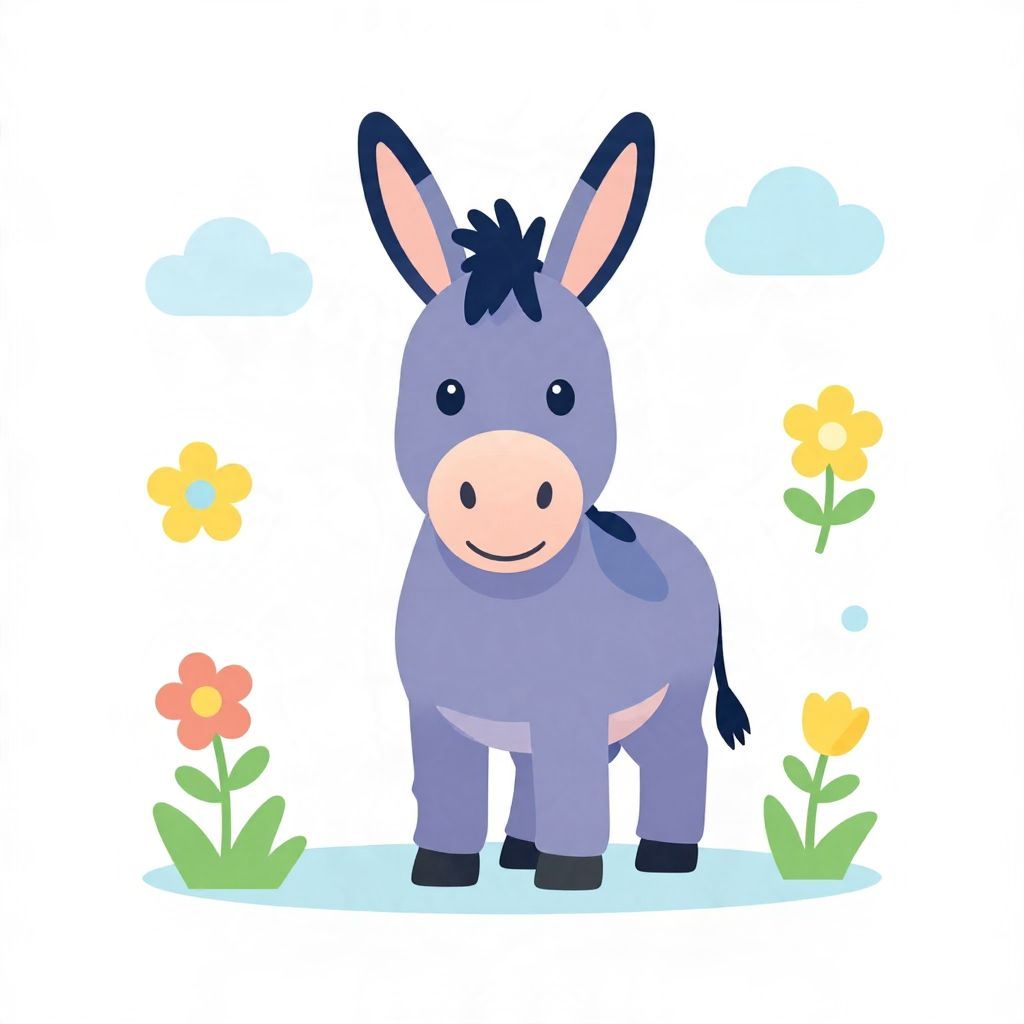
If you’re wondering what animal Eeyore is, the answer is simple: he is a donkey. In A. A. Milne’s Winnie-the-Pooh stories, Eeyore’s species is part of what makes him so memorable—stubborn, slow-moving, dryly funny, and a little melancholy, but also deeply lovable.
That small detail opens the door to a bigger question: why does Eeyore feel so distinct from the other characters? Looking at his role in the books reveals how Milne uses animal traits, gentle humor, and personality contrast to give the Hundred Acre Wood its lasting charm.
What animal is Eeyore in Winnie-the-Pooh?
Eeyore is a donkey. In A. A. Milne’s original books, he is portrayed as a gray donkey with a drooping posture and a pessimistic outlook. His species fits his character perfectly: donkeys are often associated with endurance, steadiness, and a certain stubbornness, all of which Milne turns into comedy and sympathy.
Who is Eeyore in the book?
A quiet, melancholy presence
Eeyore is one of the central residents of the Hundred Acre Wood, though he is usually less energetic than Pooh, Piglet, or Tigger. He tends to speak in a slow, resigned way, often expecting disappointment before it arrives. That pattern makes him funny, but it also gives him emotional depth.
More than a comic character
He is not simply a joke about sadness. Milne gives Eeyore a recognizable inner life: he notices when he is overlooked, he values companionship, and he often accepts kindness with a mixture of gratitude and self-deprecation. That combination makes him one of the most human-feeling characters in the series.
How Eeyore functions in the story
A foil to the brighter characters
Eeyore works as a foil to the more cheerful or impulsive characters around him. Pooh is placid and content, Piglet is anxious but hopeful, and Tigger is loud and exuberant. Eeyore’s gloom sharpens the personality of everyone else, while their optimism keeps his sadness from becoming the whole tone of the books.
Source of gentle irony
Much of Eeyore’s dialogue is built on irony. He often says things that sound bleak, but the books present them with warmth rather than cruelty. Milne’s humor depends on the gap between Eeyore’s expectations and the affectionate world around him.
What themes does Eeyore bring to the books?
Friendship without perfection
One of the strongest themes in the Winnie-the-Pooh books is that friendship does not require everyone to be cheerful, efficient, or easy to understand. Eeyore reminds readers that a friend can be difficult, gloomy, or self-pitying and still deserve care.
Loneliness and belonging
Eeyore often seems isolated, and that sense of loneliness is part of his appeal. The other characters may not always understand him, but they include him. In that way, he represents the importance of belonging even for someone who does not naturally fit the group’s mood.
Acceptance of temperament
Milne’s books do not try to “fix” Eeyore. Instead, they accept him as he is. That makes the character feel modern in a subtle way: the stories suggest that personality differences are not problems to be solved, but realities to be lived with kindly.
Why did A. A. Milne make Eeyore a donkey?
Milne never needs to explain the choice directly for it to make sense. A donkey’s traditional associations—steadiness, endurance, and stubbornness—fit Eeyore’s personality, while the animal’s physical shape helps create his recognizable silhouette in illustration and adaptation. The species supports both the humor and the pathos of the character.
Animal traits as character shorthand
In children’s literature, animal characters often work as shorthand for personality. Milne uses that tradition lightly and playfully rather than rigidly. Eeyore is not a scientific portrait of a donkey; he is a literary invention who borrows enough from the animal to feel coherent and memorable.
How Eeyore appears in the original books
His place in the ensemble
Eeyore appears across Milne’s Pooh stories as part of the ensemble cast rather than as the sole focus. The books are built from episodes, conversations, and small adventures, so Eeyore’s importance comes from his recurring presence and his distinctive voice, not from a single dominant plotline.
Illustration and image
The classic illustrations by E. H. Shepard helped define Eeyore’s look for generations of readers. His drooping ears, downcast expression, and slightly collapsed posture visually reinforce the character’s mood before he even speaks. In children’s literature, that visual design is part of the storytelling.
What makes Eeyore memorable as a literary character?
His voice
Eeyore’s speech is one of his defining features. He often sounds formal, resigned, or faintly self-mocking, which makes his lines easy to recognize. The rhythm of his dialogue gives him a comic identity without reducing him to a stereotype.
His emotional honesty
Even though he is exaggerated for effect, Eeyore feels emotionally truthful. Many readers recognize his tendency to assume the worst or to brace for disappointment. That realism is part of why he has endured: he expresses feelings that are common, even if they are usually softened in children’s books.
His balance of sadness and humor
Eeyore is funny because he is sad, but he is not funny only because he is sad. The books invite readers to laugh with affection, not at cruelty. That balance is one of Milne’s great strengths: he creates a character who can be both comic and touching in the same scene.
Book summary context: where Eeyore fits in the Pooh stories
The Winnie-the-Pooh books are not driven by a single large plot. Instead, they consist of linked episodes in which the characters wander, talk, worry, celebrate, and solve small problems. Eeyore appears in that structure as a recurring emotional counterweight, adding texture to the world rather than pushing the action forward.
Reading the stories through Eeyore
If you pay attention to Eeyore while reading, the books become a study in contrast. Pooh’s calm, Piglet’s nervousness, Rabbit’s busyness, Owl’s confidence, and Tigger’s energy all look different beside Eeyore’s slow melancholy. He helps define the emotional range of the whole series.
Review: why readers still love Eeyore
Eeyore remains popular because he feels both timeless and specific. He is instantly recognizable as a donkey, but he is also more than an animal character: he is a portrait of a temperament many readers understand. His sadness is softened by wit, and his isolation is answered by friendship.
For children, he adds variety and humor to the Hundred Acre Wood. For adults, he can read as a surprisingly nuanced figure—one who shows how literature can make room for gloom without losing warmth. That is a large achievement for such a small character.
Quick answer: what animal is Eeyore?
- Species: donkey
- Series: A. A. Milne’s Winnie-the-Pooh
- Character role: a melancholy, dryly comic member of the Hundred Acre Wood
- Literary function: foil, emotional counterpoint, and source of gentle irony
Final takeaway
Eeyore is a donkey, but in literary terms he is also much more: a memorable figure of endurance, loneliness, and quiet humor. If you’re reading Winnie-the-Pooh for the first time, noticing how Milne uses Eeyore can deepen your understanding of the books’ tenderness and emotional range.
For more character-focused reading, you may also enjoy who Clover represents in Animal Farm and who Squealer represents in Animal Farm.