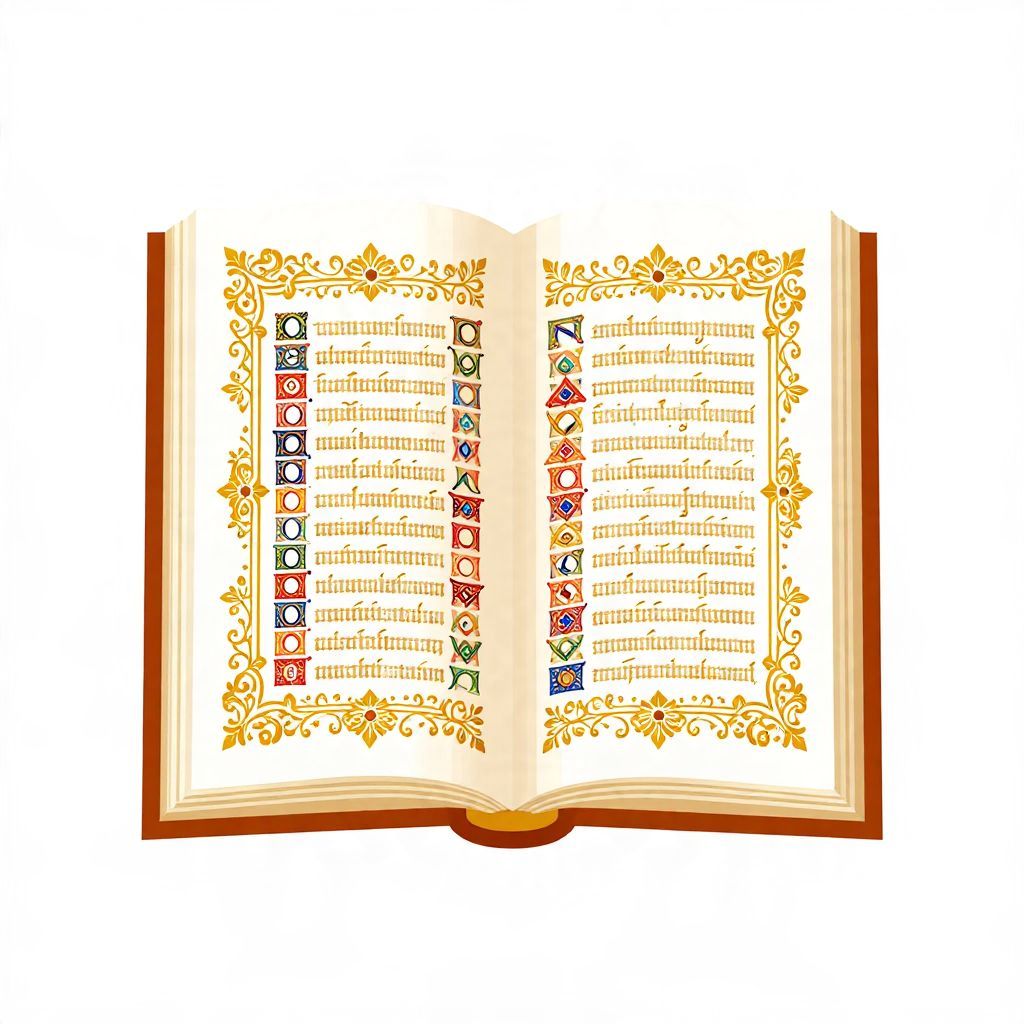
If you’ve ever seen a medieval page glowing with gold leaf, bright initials, and intricate borders, you’ve already encountered the idea behind an illuminated manuscript. These hand-copied books were not only texts to be read but works of art designed to honor sacred, scholarly, or elite writing.
Understanding what an illuminated manuscript is means looking at both literary history and visual culture. The term points to manuscripts decorated with gold, silver, vivid pigments, and ornamental design, often in religious books from the Middle Ages, though the practice appears in other traditions too.
What is an illuminated manuscript?
An illuminated manuscript is a hand-written book or document decorated with gold, silver, bright colors, or elaborate ornamentation. The “illumination” refers to the luminous effect of gilding and rich pigments, not to light itself. These manuscripts were often created before printing and were especially common in religious, legal, and scholarly texts.
How were illuminated manuscripts made?
Illuminated manuscripts were produced by scribes and artists working on parchment or vellum, usually made from animal skin. The process was slow and highly skilled, combining careful handwriting with decorative painting, initials, borders, and sometimes full-page illustrations.
Scribes, artists, and materials
In many cases, one person did not make the entire book. A scribe copied the text, while an illuminator added decoration and images. Gold leaf, mineral pigments, and fine brushes helped create the brilliant surfaces that make these books so distinctive.
Why the decoration mattered
Illumination was not merely ornamental. It could signal the importance of a text, guide the reader through sections, or emphasize sacred passages. In religious manuscripts, the visual richness also reflected devotion and reverence for the written word.
When did illuminated manuscripts flourish?
Illuminated manuscripts flourished most prominently in the Middle Ages, especially in Europe, though manuscript illumination existed long before and continued after the invention of printing. Monastic scriptoria, court workshops, and later urban ateliers all contributed to the tradition.
Before print culture
Before movable type became widespread, books were copied by hand, making them expensive and rare. Illumination added prestige and beauty, so the most elaborate manuscripts were often commissioned by churches, rulers, wealthy patrons, or institutions.
Beyond Europe
While the phrase is often used in relation to medieval Europe, decorated manuscript traditions also appear in Islamic, Jewish, and other manuscript cultures. The exact styles and purposes differ, but the shared idea is a hand-crafted book enhanced by visual artistry.
What kinds of texts were illuminated?
Illuminated manuscripts were created for many purposes, but some genres were especially common. The most famous examples are religious, though the tradition also includes histories, poetry, scientific works, and legal texts.
- Bibles and Gospel books — often richly decorated to emphasize sacred authority.
- Books of hours — devotional books for private prayer, especially popular among the laity in later medieval Europe.
- Psalm books and missals — used in worship and liturgy.
- Chronicles and histories — sometimes illustrated to support political prestige or narrative clarity.
- Literary manuscripts — poetry, romances, and other texts could also be illuminated.
What literary examples help explain the term?
Because illuminated manuscripts are physical objects as much as texts, the best examples are specific surviving books rather than fictional works. A few famous manuscripts show how text and image work together to shape meaning.
The Book of Kells
The Book of Kells is one of the most celebrated illuminated manuscripts in the world. Known for its elaborate decoration and intricate lettering, it demonstrates how visual design can transform a sacred text into an object of devotion and artistic prestige.
The Lindisfarne Gospels
The Lindisfarne Gospels are another landmark example. Their decorative pages, elaborate initials, and interlacing patterns show the fusion of Christian text with Insular artistic traditions, making the manuscript both readable and visually striking.
Books of hours
Many surviving books of hours contain calendars, prayers, and miniatures that reveal everyday religious practice in the later Middle Ages. Their illustrations often help readers move through the text while also creating a personal, intimate devotional experience.
How do illuminated manuscripts differ from ordinary manuscripts?
All illuminated manuscripts are manuscripts, but not all manuscripts are illuminated. A plain manuscript may simply contain copied text, while an illuminated one includes decorative or pictorial elements that are integral to its design and meaning.
Key differences
- Decoration — illuminated manuscripts include ornate initials, borders, images, or gilding.
- Cost — they were usually more expensive to produce because of the labor and materials involved.
- Status — they often carried prestige and were made for important patrons or institutions.
- Function — illumination could aid reading, structure the page, and elevate the text’s significance.
Why are illuminated manuscripts important in literary history?
Illuminated manuscripts matter because they show that books were once handcrafted cultural objects, not mass-produced commodities. They preserve texts, but they also reveal how readers, patrons, and artists understood literature, religion, and authority in earlier centuries.
They show how reading used to work
In manuscript culture, reading was often a visual experience. Layout, color, initials, and images could guide interpretation, mark beginnings, and highlight key passages. In that sense, illumination helped shape how a text was encountered.
They preserve transmission history
Many texts survive only because they were copied into manuscripts. Studying an illuminated manuscript can reveal scribal habits, regional styles, corrections, marginal notes, and the movement of texts across time and place.
What symbols and techniques are common in illuminated manuscripts?
Illuminated manuscripts often use recurring visual techniques that carry symbolic meaning. Even when the imagery is decorative, it can still communicate hierarchy, holiness, or narrative emphasis.
Common techniques
- Gold leaf — used to create a radiant, precious effect.
- Decorated initials — enlarged letters that often begin major sections.
- Marginal ornament — vines, animals, figures, or abstract patterns around the text.
- Miniatures — small painted scenes that illustrate episodes or concepts.
- Carpet pages — highly patterned pages, especially in some early medieval manuscripts, that function almost like visual meditations.
Symbolic meanings
Gold can suggest divine light, sacred authority, or exceptional value. Repeated patterns may evoke order and continuity, while narrative images can reinforce the text’s message or help the reader remember it.
How should beginners think about illuminated manuscripts?
If you are new to the topic, it helps to think of an illuminated manuscript as a union of literature, craftsmanship, and visual art. The text matters, but so does the page as an object designed to be seen as well as read.
A simple way to remember the term
Manuscript means hand-written. Illuminated means decorated with luminous or ornate embellishment, especially gold and color. Put together, the phrase describes a hand-made book enhanced by artistic decoration.
What to look for when viewing one
- The style of the script
- The opening initials and chapter markers
- The use of gold or bright pigments
- The relationship between image and text
- Any signs of use, correction, or wear
Are illuminated manuscripts still relevant today?
Yes. They remain important to scholars of literature, history, art history, theology, and book history. Museums and libraries also use them to help modern readers understand how books functioned before print and how visual design shaped interpretation.
For readers and students, illuminated manuscripts offer a vivid reminder that literature has always lived in material forms. They are not just old books; they are carefully made objects where words, images, and meaning are inseparable.
If you’d like to explore more book-related basics, you may also enjoy what is a book? and this guide to what is an illuminated manuscript?