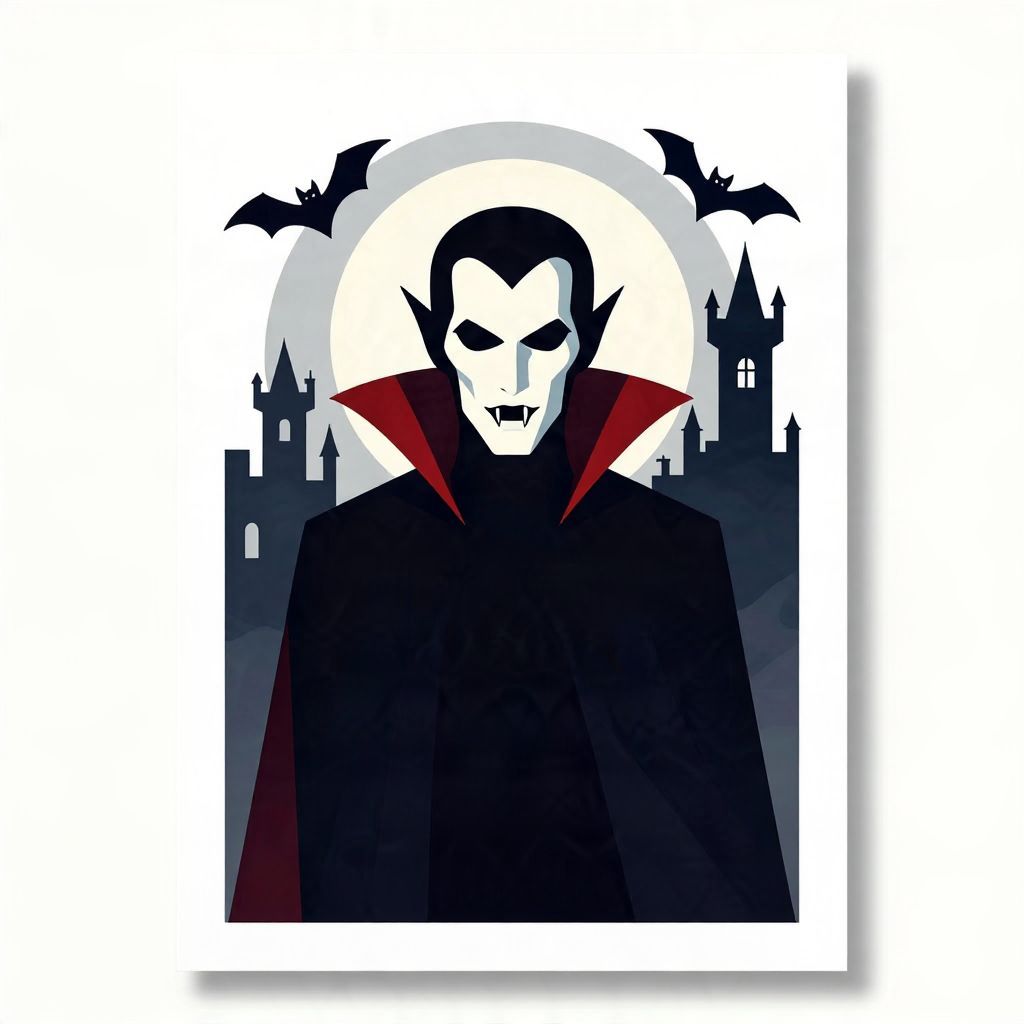
If you’ve come across the word Nosferatu and wondered what it means in literature, film, or Gothic fiction, you’re not alone. The term has become shorthand for a very specific kind of vampire image: eerie, ancient, and unsettling.
In literary and cultural terms, Nosferatu usually refers to the vampire associated with Bram Stoker’s Dracula tradition and the later German Expressionist film Nosferatu (1922). It evokes the monstrous, plague-like side of vampirism rather than the romantic vampire of modern fiction.
What Is Nosferatu in literature and popular culture?
Nosferatu is a name and image associated with the vampire figure in Gothic literature and horror. It is most often linked to the 1922 silent film Nosferatu: A Symphony of Horror, an unauthorized adaptation of Dracula, and to the broader tradition of the vampire as a predator, outsider, and symbol of decay.
Where does the word “Nosferatu” come from?
The exact origin of the word is uncertain. It has often been connected to Eastern European folklore and to older vampire traditions, but scholars do not agree on a single definitive source. What matters in literary history is that the word became strongly associated with the vampire mythos through modern horror culture.
A term shaped by translation and adaptation
In English-language discussion, “Nosferatu” is less a precise dictionary term than a cultural label. It gained force because of its use in adaptations of vampire material, especially when filmmakers and writers wanted a name that sounded archaic, foreign, and ominous.
How is Nosferatu connected to Dracula?
The strongest literary connection is to Bram Stoker’s 1897 novel Dracula. The 1922 film Nosferatu closely followed Stoker’s story but changed character names and details, partly because it was made without permission. Even so, its central figure clearly echoes Count Dracula.
Why the film matters for literary history
Because the film borrowed so heavily from Stoker’s novel, it helped cement the visual vocabulary of the vampire in the public imagination: long fingers, shadowy movement, corpse-like stillness, and a sense of disease or contamination. Those traits influenced later vampire stories across literature and cinema.
What does Nosferatu represent as a literary symbol?
As a symbol, Nosferatu usually stands for death, corruption, hunger, and the invasion of the ordinary by the uncanny. Unlike later glamorous vampires, this figure is not seductive in a romantic sense. It is often depicted as a force that drains life rather than a tragic lover.
Common symbolic meanings
- Plague and infection — the vampire as a carrier of illness and social fear.
- Decay and mortality — a body that should be dead but moves anyway.
- The outsider — a figure who enters domestic space and disrupts it.
- Repressed desire — in some readings, the vampire embodies hidden appetite or taboo longing.
What themes are associated with Nosferatu stories?
Stories and adaptations associated with Nosferatu often explore Gothic themes rather than straightforward adventure. These include fear of contamination, the fragility of home, the tension between science and superstition, and the vulnerability of communities to unseen threats.
Gothic atmosphere
The Nosferatu tradition depends heavily on atmosphere: shadows, silence, ruined architecture, night travel, and a sense that nature itself has become hostile. This mood is part of what makes the figure so memorable in literary and visual culture.
Fear of the unknown
Like many Gothic monsters, Nosferatu embodies what cannot be fully explained. The vampire is both human and not human, alive and dead, familiar and alien. That ambiguity gives the character lasting power.
How does Nosferatu differ from other vampire portrayals?
Nosferatu is usually more monstrous and less erotic than many later vampires. In modern fiction, vampires are often portrayed as charismatic, conflicted, or even sympathetic. Nosferatu, by contrast, tends to emphasize ugliness, menace, and unnaturalness.
Nosferatu vs. the romantic vampire
- Nosferatu: grotesque, shadowy, plague-like, predatory.
- Romantic vampire: alluring, emotionally complex, often tragic.
This contrast helps explain why the name “Nosferatu” is often used when a story wants to return to older horror traditions rather than modern paranormal romance.
What are the most important literary and cinematic examples?
There are not many major literary works titled Nosferatu, but the figure appears across adaptations, retellings, and vampire-inspired fiction. The most important reference points are Dracula and the 1922 film Nosferatu, which established the character’s enduring visual identity.
Key works and touchstones
- Bram Stoker’s Dracula — the foundational vampire novel in English literature.
- Nosferatu: A Symphony of Horror (1922) — a landmark silent film adaptation in the vampire tradition.
- Later vampire fiction and film — many works borrow the Nosferatu image even when they do not use the name directly.
Why does Nosferatu still matter today?
Nosferatu remains important because it captures the oldest and darkest version of the vampire myth. It reminds readers that vampire stories began not as romance but as horror: stories about invasion, death, and the fear that something inhuman can enter the home and feed on life.
Lasting influence on horror
The figure’s silhouette, gestures, and mood continue to shape horror aesthetics. Even when a modern story does not mention Nosferatu by name, it may still borrow the same visual and emotional language: elongated shadows, silent movement, and a sense of predatory stillness.
What should readers know before exploring Nosferatu-related works?
If you want to understand Nosferatu in a literary context, begin with Dracula and then look at adaptations that emphasize atmosphere over realism. The most rewarding approach is to read or watch these works as part of the larger history of Gothic horror, not as isolated monster stories.
Helpful reading approach
- Start with the vampire as a Gothic symbol, not just a character type.
- Notice how setting creates fear: castles, bedrooms, ships, and city streets at night.
- Pay attention to how the monster reflects social anxieties of its era.
In short, what is Nosferatu?
Nosferatu is the name most readers associate with the classic, monstrous vampire tradition: a figure tied to Dracula, Gothic horror, and the 1922 film that made the vampire look like a living nightmare. It represents the terrifying, decayed, and deeply literary side of vampirism.
If you’re interested in related literary concepts, you may also enjoy learning what a Horcrux is or exploring what November 9 is about.