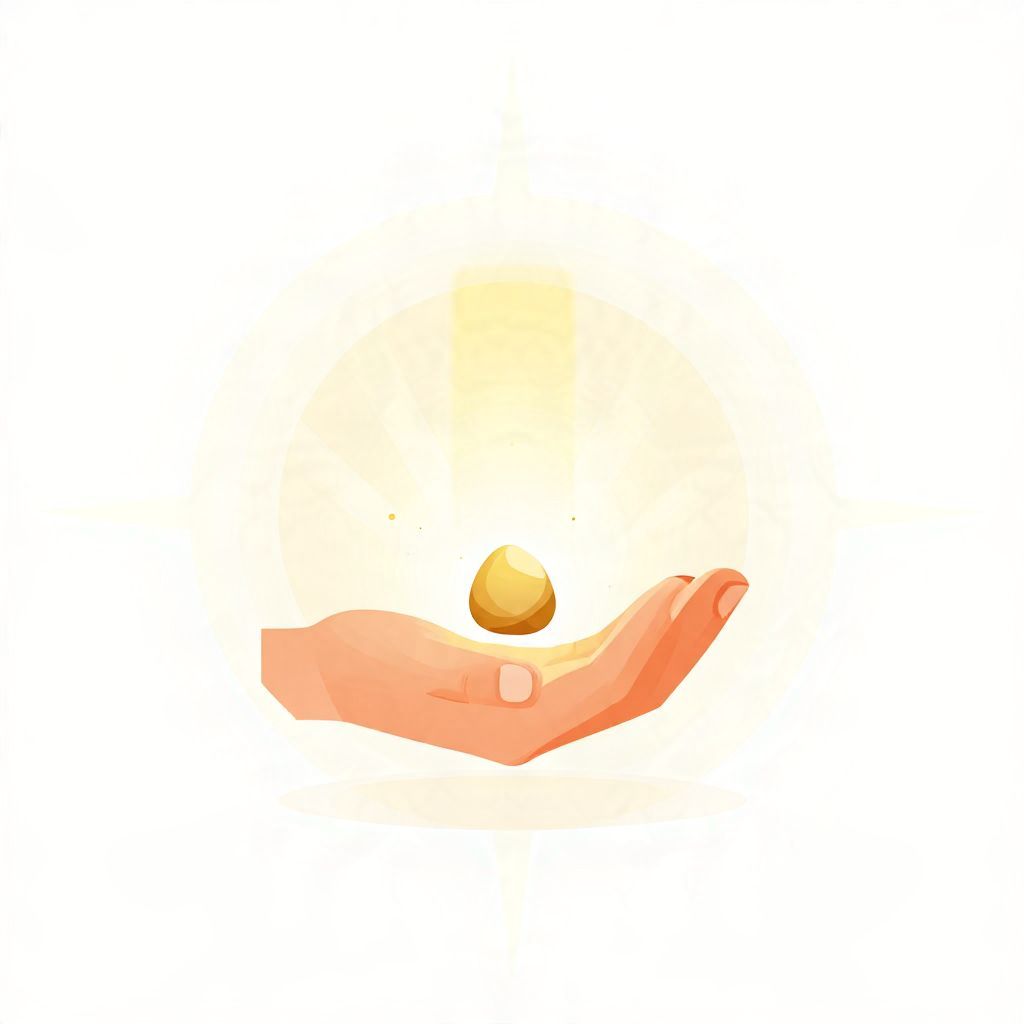
Harry’s decision to drop the Resurrection Stone is one of the most moving moments in Harry Potter and the Deathly Hallows. It is not a random gesture: it reveals how Harry understands grief, love, and the difference between clinging to the dead and choosing to keep living.
J.K. Rowling uses the Stone to test Harry at the very edge of death, and his choice gives the scene its emotional force. He does not reject his loved ones; he rejects the temptation to remain in the past when his task is to go forward.
Why does Harry drop the Resurrection Stone?
Harry drops the Resurrection Stone because he realizes it cannot truly restore the dead, only summon faint, temporary echoes of them. After seeing his parents, Sirius, and Lupin, he understands that love does not mean holding on through magic. He chooses to face death and continue his mission rather than escape into illusion.
What the Stone actually does
The Resurrection Stone is one of the three Deathly Hallows, objects from the wizarding legend of Death. In the story, it can call back the shades of the dead, but not fully resurrect them. That limitation matters: the Stone offers comfort, not reunion.
Why that distinction matters
Harry’s experience in the forest makes the Stone’s limits painfully clear. The figures he sees are present enough to guide and comfort him, but they are not returned to life in any complete sense. Rowling frames the Stone as a symbol of grief’s desire, not grief’s solution.
Harry’s emotional reason for letting it go
Harry has spent most of his life losing people. By the time he reaches the final book, he has learned that love can survive death without undoing it. Dropping the Stone shows that he understands the dead should be remembered, not possessed.
Choosing love over escape
The moment is powerful because Harry is not numb to loss. He wants his parents, Sirius, and Lupin with him, but he also knows he cannot build a life by chasing ghosts. His choice is an act of maturity: he honors the dead by continuing to live for the living.
Spoiler context: the forest scene and Harry’s decision
Spoiler warning: this section discusses the final chapters of Deathly Hallows.
Harry enters the Forbidden Forest believing he is going to die at Voldemort’s hand. Before he does, he uses the Resurrection Stone and briefly sees the people he has lost. Their presence steadies him, but it also clarifies what must happen next. He walks on, drops the Stone, and leaves it behind in the forest.
Why he does not keep it
Keeping the Stone would suggest a wish to preserve the comfort of the moment. But Harry’s journey has never been about avoiding pain; it has been about facing it honestly. By dropping the Stone, he refuses the fantasy that the dead can be made available on demand.
The Resurrection Stone as a symbol
The Stone is one of the clearest symbols in the series. It represents the human longing to reverse death, undo regret, and recover what has been lost. Rowling uses Harry’s reaction to show that this longing is understandable, but ultimately incomplete.
Grief, memory, and acceptance
Harry does not forget the dead when he drops the Stone. In fact, he carries them with him more fully than before. The scene suggests that memory can be faithful without becoming possessive, and that acceptance is not the same as indifference.
How it connects to the Deathly Hallows theme
The legend of the Hallows warns against obsession with power. The Elder Wand tempts dominance, the Invisibility Cloak offers concealment, and the Resurrection Stone tempts emotional refusal of death. Harry’s choice aligns with the series’ larger moral argument: wisdom comes from knowing what not to pursue.
Why this moment is so important to the story
Harry dropping the Stone is important because it completes his character arc. Earlier in the series, he often longs for lost family and guidance, which is completely understandable. By the end, he has learned that courage means moving forward even when the ache of loss remains.
It shows Harry’s growth
- From longing to acceptance: Harry still loves the dead, but he no longer expects magic to erase death.
- From dependence to agency: He makes a deliberate choice rather than surrendering to comfort.
- From grief to purpose: He keeps going because the living still need him.
It reinforces the series’ moral center
Throughout the books, Rowling contrasts power with sacrifice, and possession with love. Harry’s decision fits that pattern. He does not use the Stone to control death; he lets it go, which is a quieter but more profound victory.
How readers often interpret the scene
Many readers see this moment as one of the most emotionally honest in the series because it captures how grief really works. People often wish for one more conversation, one more chance, one more goodbye. The Stone gives Harry that wish in symbolic form, then asks whether he can release it.
A humane reading of the ending
The scene does not say that wanting the dead back is wrong. Instead, it suggests that love must eventually become remembrance rather than possession. That is why Harry’s choice feels both heartbreaking and healing.
What the scene says about death in Harry Potter
The Harry Potter series treats death as both tragic and meaningful. It is not something the story trivializes, and it is not something magic can simply cancel. The Resurrection Stone underscores that reality by showing that even the most powerful magical object cannot fully undo mortality.
Death is final, but not empty
Rowling’s world suggests that the dead remain present through memory, influence, and love. Harry’s parents and friends matter to him not because they return in full, but because they shaped who he is. Dropping the Stone affirms that presence in memory is enough.
Key takeaways for readers
- Harry drops the Resurrection Stone because he understands it cannot truly bring the dead back.
- The moment shows his acceptance of grief and his refusal to live in illusion.
- The Stone symbolizes the human desire to reverse loss, but the story argues for remembrance instead.
- This choice completes Harry’s growth and supports one of the series’ central themes: love is stronger than death, even when death cannot be undone.
If you want to explore this moment further, you may also enjoy a related reading of the scene at why Harry dropped the Resurrection Stone. For more discussions of character choices and symbolism in the series, that analysis pairs well with close reading of the final chapters of Deathly Hallows.