If you’ve encountered the phrase “the Deathly Hallows” and want to know what it means in literary terms, you’re probably asking about the central magical concept from Harry Potter and the Deathly Hallows. The term refers to three legendary objects in J.K. Rowling’s series, each tied to power, mortality, and the temptation to master death.
Understanding the Deathly Hallows helps explain one of the series’ most important symbolic threads. They are not just plot devices; they also deepen the novel’s themes about choice, grief, and the limits of magical power.
What are the Deathly Hallows?
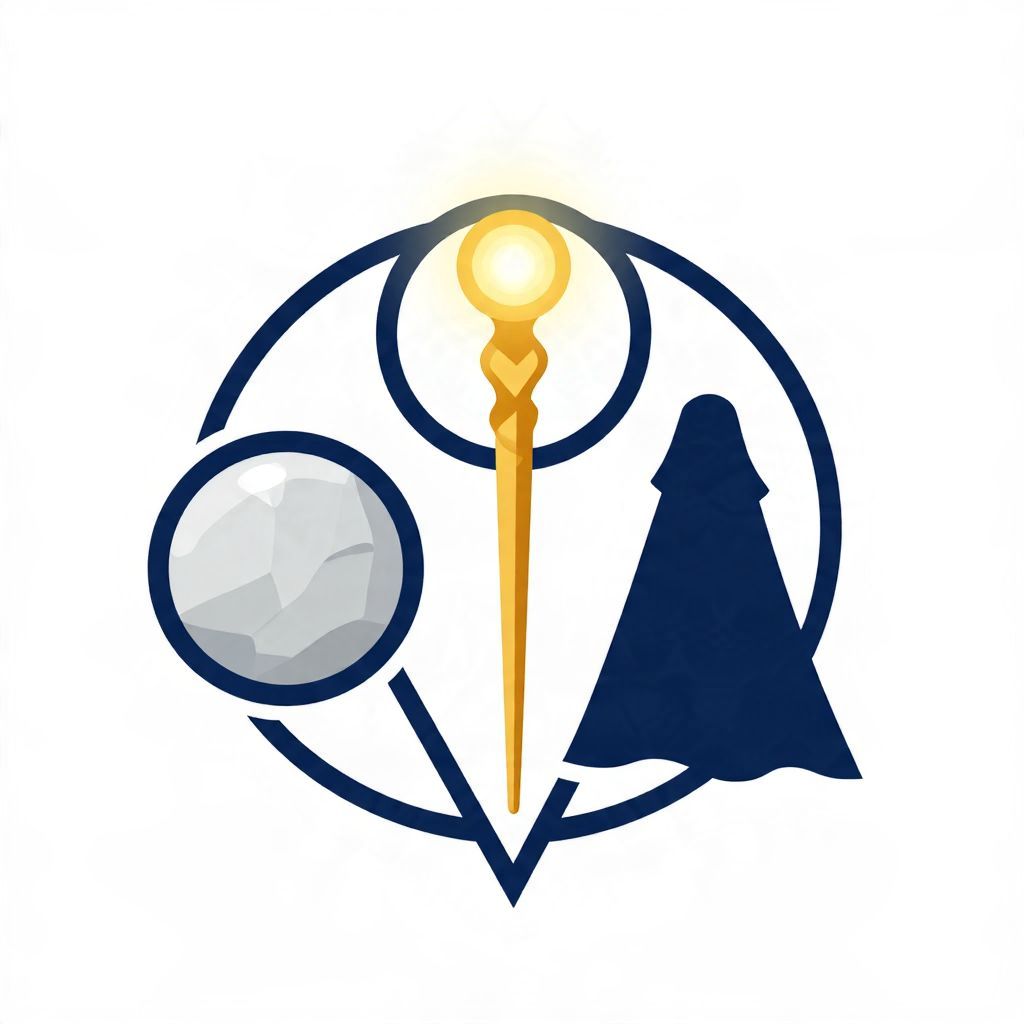
The Deathly Hallows are three legendary magical objects in the Harry Potter series: the Elder Wand, the Resurrection Stone, and the Invisibility Cloak. In the story, they are said to make their owner “master of death,” though the books complicate that idea rather than treating it as literal immortality.
Which three objects make up the Deathly Hallows?
The Elder Wand
The Elder Wand is a powerful wand associated with extraordinary magical strength and a history of violent ownership. It represents the dangerous desire to gain supremacy through force, and its legend shows how power in the series is often unstable, contested, and morally costly.
The Resurrection Stone
The Resurrection Stone is said to summon shades of the dead. Its role is emotionally powerful because it speaks to grief and longing, but it also reveals the painful truth that the dead cannot truly return to life in the way the living may wish.
The Invisibility Cloak
The Invisibility Cloak is the most subtle of the three Hallows. Unlike the other two, it is associated less with domination than with protection, secrecy, and humility, making it the least destructive and arguably the most ethically balanced of the set.
Why are the Deathly Hallows important in the series?
The Deathly Hallows matter because they introduce a second major magical framework alongside the Horcruxes. While Horcruxes are about splitting the soul to avoid death, the Hallows invite a different response: accepting death without surrendering one’s humanity.
Hallows versus Horcruxes
This contrast is one of the strongest structural ideas in the final book. Horcruxes represent fear-driven resistance to death through fragmentation, while the Hallows represent the seductive promise of conquering death through legendary objects. The series ultimately treats neither path as simple or wholly admirable.
Power, temptation, and restraint
Each Hallow offers a different temptation. The Elder Wand tempts with dominance, the Resurrection Stone with emotional reversal, and the Cloak with hidden safety. Together, they test whether a person seeks control, comfort, or wisdom.
What do the Deathly Hallows symbolize?
Literarily, the Deathly Hallows function as symbols of human responses to mortality. They embody the wish to defeat death, but the narrative suggests that wisdom lies not in conquering death, but in understanding limits, loss, and responsibility.
Death and acceptance
The Hallows story is often read as a meditation on acceptance. The books suggest that trying to escape death entirely can distort character, while learning to live meaningfully in its presence is a more mature form of courage.
Three different attitudes toward loss
- The Elder Wand reflects ambition and the belief that strength can solve everything.
- The Resurrection Stone reflects grief and the wish to undo separation.
- The Invisibility Cloak reflects survival, modesty, and a quieter relationship to power.
How do the Deathly Hallows work as a literary motif?
As a motif, the Hallows recur through legend, inheritance, and repeated choices. They are introduced as part of a fairy-tale-like embedded story, which gives the novel a mythic structure and makes the final book feel both intimate and archetypal.
Fairy tale and legend
The Hallows tale resembles a folk narrative: three objects, a moral test, and a warning about greed. This fairy-tale framing helps the series move beyond school-story fantasy into a broader meditation on myth, death, and survival.
Inheritance and lineage
The Cloak in particular links generations across the series. Its passage through families reinforces one of Rowling’s recurring ideas: that identity is shaped not only by bloodline, but also by what people choose to protect and pass on.
Are the Deathly Hallows the same as the Hallows legend?
Yes. In the books, “the Deathly Hallows” refers both to the three objects and to the legend surrounding them. The legend is the story that explains their origin and meaning, while the objects are the concrete magical items characters seek, lose, and interpret differently.
How are the Deathly Hallows used in the plot?
The Hallows are central to the final book’s structure, but they are not simply a treasure hunt. They shape the characters’ decisions, especially Harry’s, and they provide an alternative lens for understanding what kind of magic matters most in the series.
Harry’s relationship to the Hallows
Harry’s connection to the Cloak is especially significant because it aligns with his character more than the other two objects do. He is drawn to protection and sacrifice rather than domination, which helps explain why the story treats him as a moral contrast to those who chase power.
The story’s moral center
The Hallows help the novel ask whether mastery is the same as wisdom. The answer the series leans toward is no: true strength lies less in owning extraordinary objects than in knowing when not to use them.
What literary themes do the Deathly Hallows support?
The Hallows support several major themes in the series, especially in the final novel. They connect fantasy adventure to philosophical questions about death, memory, love, and the ethics of power.
- Mortality: The Hallows dramatize humanity’s fear of death.
- Choice: Characters reveal themselves through how they pursue or reject them.
- Power: The objects show how magical power can corrupt or protect.
- Love and grief: The Resurrection Stone especially links magic to emotional pain.
- Humility: The Cloak suggests that the least showy object may be the most meaningful.
What is the literary significance of the Deathly Hallows?
The Deathly Hallows are significant because they unify myth, symbolism, and character development. They also help distinguish the final book from earlier entries in the series by giving it a more reflective, almost allegorical quality.
Why readers remember them
Readers often remember the Hallows because they are easy to name but hard to reduce to a single meaning. That ambiguity is part of their literary power: they function as magical objects, moral tests, and symbols of the human struggle with death.
A bridge between fantasy and philosophy
In literary terms, the Hallows bridge adventure fantasy and philosophical fiction. They keep the story moving while also inviting readers to think about what people seek when they fear loss, aging, and mortality.
What should readers know before studying the Deathly Hallows?
If you are reading the series for class or close analysis, it helps to pay attention to how the Hallows are introduced, contrasted with Horcruxes, and tied to the final choices characters make. Those details reveal the series’ larger argument about power and death.
- Notice how the Hallows are framed as legend before they become plot-relevant.
- Compare the Hallows with the Horcruxes to see two different responses to death.
- Track which characters seek power, which seek comfort, and which seek protection.
- Pay attention to the Cloak’s recurring role across the series.
Bottom line: what are the Deathly Hallows?
The Deathly Hallows are three legendary magical objects in Harry Potter that symbolize different ways of confronting death: domination, reunion, and concealment. Their deeper literary role is to challenge the idea that power can defeat mortality, and to suggest that wisdom lies in acceptance rather than mastery.
For related reading, you may also want to explore what a Horcrux is and the seven Horcruxes in the series.