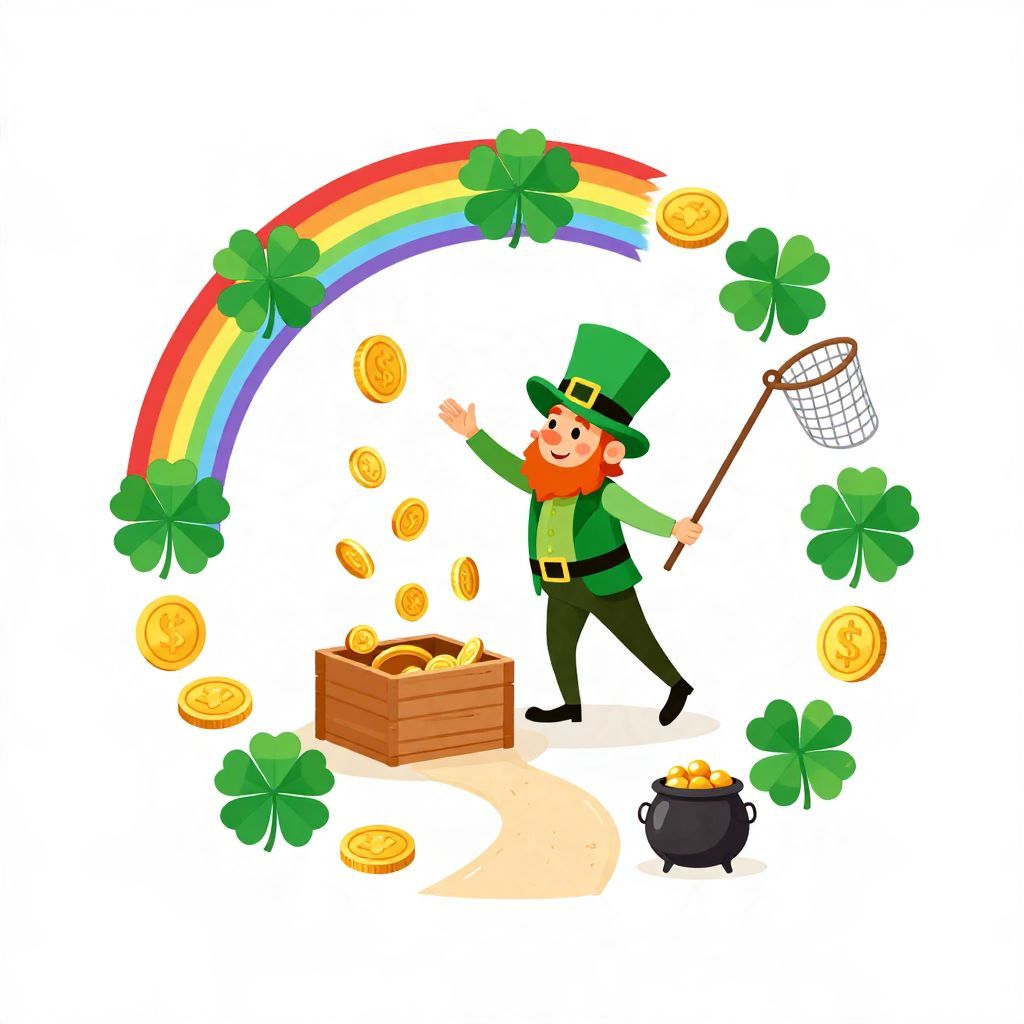
If you’re looking for a practical guide to How to Catch a Leprechaun, you’re probably after more than a title: you want to know what kind of book it is, what children take from it, and how to use it as a read-aloud or classroom activity. This picture book is best understood as a playful St. Patrick’s Day story built around a mischievous chase, bright visual humor, and simple problem-solving.
It belongs to the popular “how to catch” picture-book style, where a child’s plan meets a tricky, magical creature. That setup makes it especially appealing for early readers, family reading, and holiday-themed lessons about sequencing, imagination, and making predictions.
What is the How To Catch A Leprechaun book about?
How To Catch A Leprechaun is a festive children’s picture book centered on the idea of trying to trap a clever leprechaun before he escapes with his gold. The story uses repeated attempts, comic setbacks, and colorful illustrations to create suspense without becoming scary, making it a light, interactive read for young children.
Who is this book for?
This book is a strong fit for preschool and early elementary readers, especially children who enjoy holiday stories, rhyming text, and playful fantasy. It also works well as a read-aloud because the premise invites children to guess what will happen next and talk about each trap.
Best use cases
- Read-aloud time: The repeated chase structure keeps children engaged.
- Classroom activities: Teachers can use it for sequencing, prediction, and STEM-style trap design.
- Holiday reading: It fits naturally into St. Patrick’s Day book displays and themed lessons.
- Early literacy practice: The simple language and visual cues support beginning readers.
How does the story work as a picture book?
The book relies on a familiar cumulative pattern: each new attempt to catch the leprechaun becomes more elaborate, and each one fails in a humorous way. That structure helps children follow the action easily while also building anticipation.
Why the structure matters
Picture books often depend on repetition, rhythm, and visual payoff, and this one uses all three. The repeated “try, fail, try again” pattern gives the story a clear arc, while the illustrations carry much of the humor and surprise.
What children notice
- The leprechaun’s cleverness and speed
- The inventive traps and their flaws
- The contrast between expectation and outcome
- The festive details associated with St. Patrick’s Day
What themes does How To Catch A Leprechaun explore?
Although the book is playful on the surface, it touches on a few recurring children’s-literature themes: persistence, imagination, trickery, and the limits of control. The leprechaun is not just a target; he is a symbol of something elusive, unpredictable, and a little magical.
Persistence and problem-solving
The repeated attempts to catch the leprechaun can be read as a lesson in persistence, even if the plans themselves are mostly comic. Children see characters testing ideas, revising them, and learning from failure.
Imagination and make-believe
The book encourages imaginative thinking by treating a folkloric figure as if he were a real, mischievous visitor. That blend of realism and fantasy is one reason the story works so well for young audiences.
Trickery and reversal
In many folktales, the trickster outwits those who try to control him. The leprechaun’s escapes fit that tradition, giving the story a folklore-based sense of reversal: the hunters become the ones who are outsmarted.
What literary techniques are used in the book?
The appeal of How To Catch A Leprechaun depends less on complex language than on carefully chosen picture-book techniques. These include repetition, pacing, visual comedy, and a strong sense of expectation.
Repetition
Repetition helps young readers anticipate the rhythm of the story. It also creates a satisfying pattern that makes the book easy to follow aloud.
Rhythmic language
Many children’s picture books use short, energetic phrasing to keep the story moving. In a book like this, the language typically supports the action rather than slowing it down.
Illustration-driven storytelling
In picture books, the images do more than decorate the text; they extend and sometimes complete the joke. The visual details in a leprechaun chase story are essential because children often “read” the trap designs and reactions before they fully process the words.
How does the book connect to leprechaun folklore?
The leprechaun comes from Irish folklore, where these figures are often portrayed as solitary, clever, and difficult to catch. Children’s books adapt that tradition into a friendly, accessible form, usually emphasizing mischief and treasure rather than danger.
Folklore in children’s literature
When folklore enters picture books, it is often simplified and made playful for a young audience. The result is not a strict retelling of traditional legend, but a child-friendly version that preserves the spirit of the trickster figure.
Symbolic meaning of the leprechaun
In this kind of story, the leprechaun can symbolize luck, elusiveness, and the thrill of the chase. He is less a realistic character than a narrative device that keeps the game going.
How should parents and teachers use the book?
This book is especially useful when adults want to turn reading into an active conversation. It invites prediction, creative response, and discussion about why each plan succeeds or fails.
Questions to ask while reading
- What do you think the characters will try next?
- Why do you think the trap does or does not work?
- What clues in the pictures help tell the story?
- If you were designing a trap, what would you change?
Simple extension activities
- Draw a new leprechaun trap and explain how it works.
- Put the story events in order from first to last.
- List words that describe the leprechaun’s personality.
- Compare the leprechaun to another trickster from folklore or fairy tales.
How does it compare with other “how to catch” books?
The “how to catch” format is a recognizable picture-book formula: a child or group of children tries to trap a magical or elusive character, and the attempt becomes a comic adventure. If your family or classroom enjoys this book, you may also enjoy others in the same broad style.
What readers usually like about the format
- Clear, repeatable structure
- Humor based on failed plans
- Strong visual storytelling
- Easy entry point for young readers
What makes this title distinctive
What sets How To Catch A Leprechaun apart is its holiday setting and its use of Irish folklore imagery. The story is tied closely to St. Patrick’s Day traditions, which gives it a seasonal identity beyond the basic chase premise.
Is this a good book for reluctant readers?
Yes, especially for children who respond to humor, pictures, and short bursts of action. Because the plot is easy to track and the visual jokes do much of the work, reluctant readers often find it less intimidating than text-heavy books.
Why it works for beginners
- The plot is simple and repetitive.
- The illustrations support comprehension.
- The story rewards prediction rather than close decoding alone.
- The holiday theme gives children a clear context.
Practical tips for reading it aloud
If you’re using How To Catch A Leprechaun at home or in a classroom, a little performance goes a long way. The book’s humor depends on timing, expression, and letting children react to each failed trap.
Reading-aloud tips
- Pause before each new attempt so children can guess what happens.
- Use different voices for the narrator and the leprechaun if the text invites it.
- Let children point out details in the illustrations.
- Ask them to explain why a trap might fail before turning the page.
Final takeaway
How To Catch A Leprechaun is a lively, child-friendly picture book that combines folklore, humor, and repetition into a memorable St. Patrick’s Day read. If you want a book that supports prediction, discussion, and imaginative play, this one is an easy recommendation.
For more on children’s books and the craft behind them, you may also enjoy Book Cover Reviews and this guide to what storytelling means in literature.