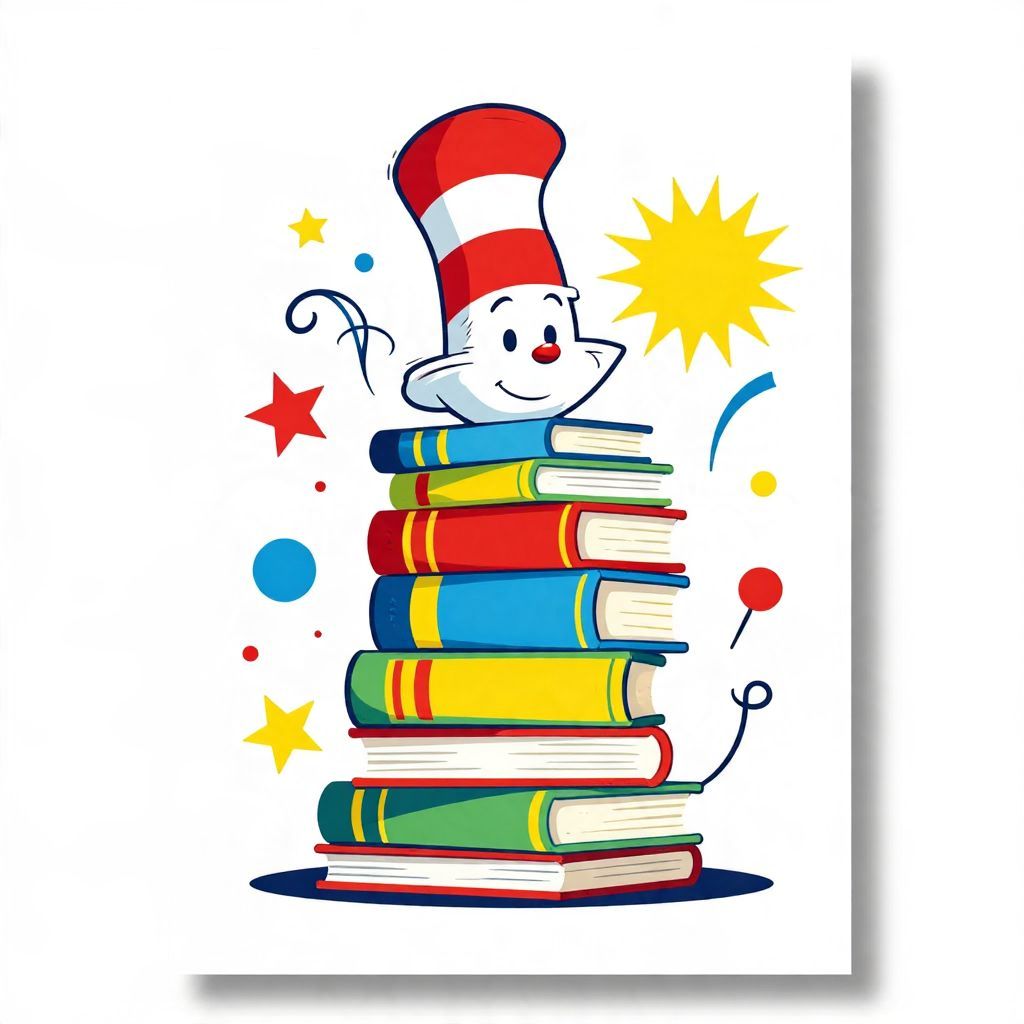
If you’re wondering when is Dr. Seuss Day, the short answer is that it is celebrated on March 2, the birthday of Theodor Seuss Geisel, better known as Dr. Seuss. The day is widely used in schools and libraries to encourage reading, celebrate children’s literature, and honor his playful, imaginative books.
Because Dr. Seuss Day is often connected to Read Across America and classroom activities, people sometimes use the term loosely. Here’s a clear guide to what the day means, why March 2 matters, and how readers usually observe it.
When is Dr. Seuss Day, and why is it celebrated?
Dr. Seuss Day is celebrated on March 2, the author’s birthday. It is not a formal federal holiday, but it has become a popular literary observance in the United States, especially in elementary schools and libraries, where it is used to promote reading, rhyming, and early literacy.
The connection to Dr. Seuss’s birthday
The date is tied directly to Theodor Seuss Geisel, who was born on March 2, 1904. His books became some of the best-known children’s titles in English, and his birthday offers a natural occasion to revisit his work and its influence on young readers.
How the day is commonly observed
- Classroom read-alouds of Dr. Seuss books
- Costume days, themed activities, and rhyming games
- Library displays and reading challenges
- School events connected to literacy and book access
Is Dr. Seuss Day the same as Read Across America Day?
Not exactly. Read Across America Day also falls on or around March 2, but it is a broader reading celebration. Over time, it became closely associated with Dr. Seuss because of the date, though many schools now use the day to celebrate reading in a wider sense, beyond a single author.
Why the two are often linked
For years, Dr. Seuss’s birthday and Read Across America were closely paired in school programming. That overlap led many people to use “Dr. Seuss Day” as a shorthand for the larger literacy event, even though the reading initiative itself is not limited to his books.
Who was Dr. Seuss?
Dr. Seuss was the pen name of Theodor Seuss Geisel, an American writer, illustrator, and cartoonist. He is best known for children’s books that combine humor, rhythm, invented words, and bold illustrations in a style that is instantly recognizable.
A brief literary background
Geisel worked in advertising and as a cartoonist before becoming a major children’s author. His books often use a lively, musical language that makes them especially effective for read-alouds and beginning readers.
Why his work endured
Dr. Seuss books are memorable because they are both entertaining and structurally clever. Their strong meter, repetition, and visual inventiveness help children anticipate language patterns while still enjoying the story.
What makes Dr. Seuss books important in children’s literature?
Dr. Seuss helped shape modern children’s publishing by showing that books for young readers could be playful, imaginative, and linguistically sophisticated at the same time. His work is often discussed in terms of sound, rhythm, nonsense vocabulary, and visual storytelling.
Key literary features in his writing
- Rhyme and meter that support oral reading
- Invented words that make language feel playful
- Repetition that helps early readers predict text
- Exaggerated illustrations that reinforce tone and mood
- Moral or social themes presented in accessible form
Common themes across the books
Many Dr. Seuss stories explore individuality, responsibility, imagination, and the consequences of careless behavior. Even when the books are comic, they often carry a simple ethical or emotional core that makes them useful for classroom discussion.
Which Dr. Seuss books are most often read on Dr. Seuss Day?
Teachers and parents often choose familiar titles that work well aloud and suit different age groups. While there is no required reading list for Dr. Seuss Day, a few books are especially common because of their language, pacing, and popularity.
Frequently read titles
- The Cat in the Hat
- Green Eggs and Ham
- One Fish Two Fish Red Fish Blue Fish
- Oh, the Places You’ll Go!
- Fox in Socks
- How the Grinch Stole Christmas!
Why these books are classroom favorites
These titles are short enough for shared reading and lively enough to hold attention. They also showcase different aspects of Seuss’s style, from tongue-twisting sound play to gentle satire and more reflective storytelling.
How should readers think about Dr. Seuss Day today?
For many people, Dr. Seuss Day is a chance to celebrate reading, but it can also be a moment to think carefully about children’s literature as a whole. Like many long-canonical authors, Dr. Seuss is read both for enjoyment and through a more critical modern lens.
A balanced reading approach
Readers often appreciate his books for their energy, accessibility, and creativity while also recognizing that some older works may reflect outdated cultural attitudes. That balance is part of responsible literary study: enjoying the craft while remaining attentive to context.
Why context matters
Children’s literature is not only about entertainment; it also shapes ideas about language, identity, and the world. Discussing Dr. Seuss Day with that in mind can make the celebration more thoughtful and more useful for students.
Simple ways to celebrate Dr. Seuss Day
If you want to mark the day at home, in a classroom, or at a library, the best activities are usually the ones that make reading feel active and fun. You do not need elaborate materials to make the observance meaningful.
Easy celebration ideas
- Read one Dr. Seuss book aloud and talk about its rhymes
- Ask children to invent playful words of their own
- Compare illustrations across two different Seuss titles
- Invite readers to describe their favorite character or scene
- Pair a Dr. Seuss book with another children’s title on the same theme
For teachers and parents
Short discussions work especially well. Ask what makes a line sound funny, how repetition helps the story, or what lesson the book suggests without becoming preachy.
Why does Dr. Seuss Day still matter?
Dr. Seuss Day remains popular because it is simple, memorable, and tied to a writer whose books continue to introduce many children to reading. The day works as both a celebration of a beloved author and a reminder that literacy can be playful, not intimidating.
For readers, the most useful takeaway is straightforward: Dr. Seuss Day is observed on March 2, and it is best understood as a literary celebration of Theodor Seuss Geisel’s birthday and his lasting influence on children’s books. If you want to explore the topic further, you may also find this related guide helpful: When Is Dr. Seuss’s Birthday? and When Is Dr. Seuss’s Birthday? (Alternate Guide).