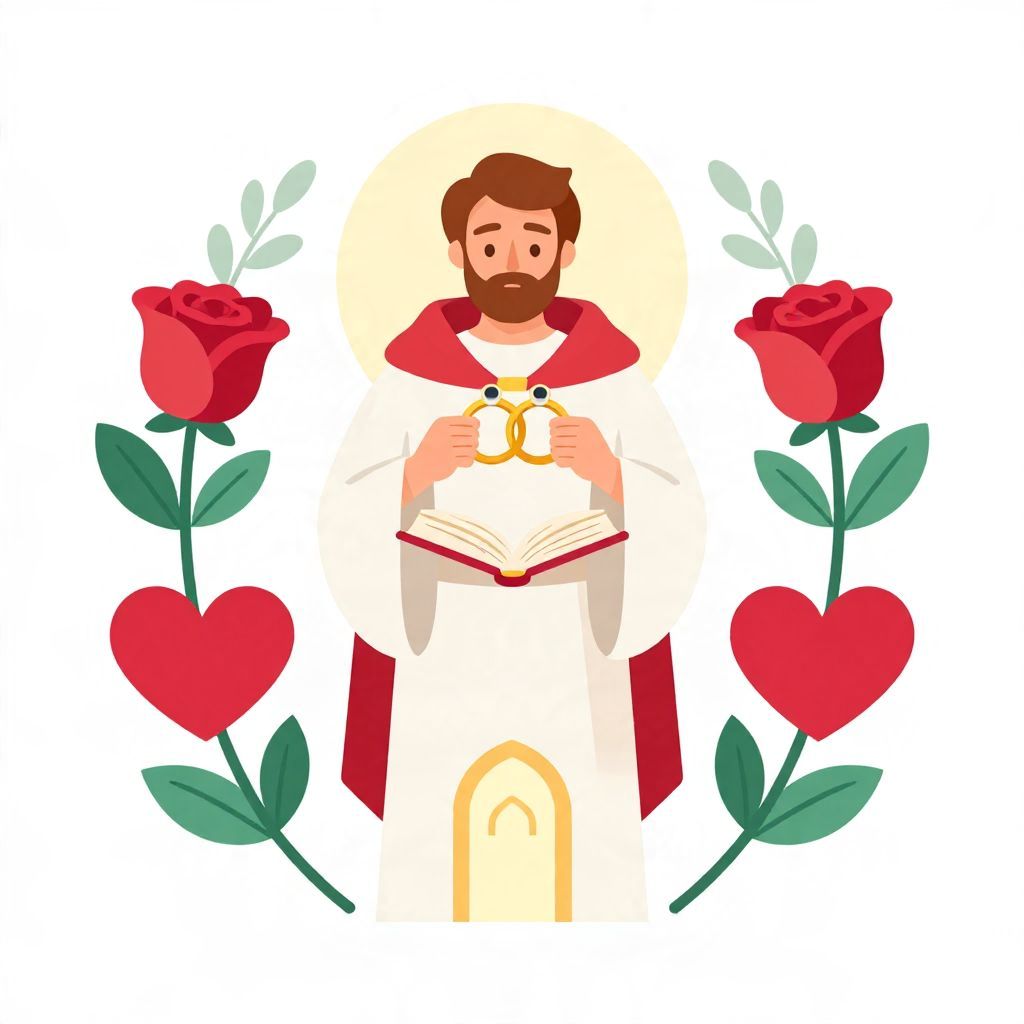
When readers ask why Friar Laurence agrees to marry Romeo and Juliet, they are usually looking for more than a simple plot answer. His decision is one of the play’s most important turning points, and it reveals a great deal about Shakespeare’s themes of haste, hope, and the limits of good intentions.
Friar Laurence does not approve the marriage because he thinks the lovers are fully prepared. He agrees because he hopes the union may end the feud between the Montagues and Capulets, and because he sees Romeo’s sudden passion as a chance to redirect him from Rosaline to a deeper, more stable love.
Why does Friar Laurence agree to marry Romeo and Juliet?
Friar Laurence agrees because he believes the marriage might heal the family feud and bring peace to Verona. He also thinks Romeo’s love for Juliet may be more genuine than his earlier infatuation, so he sees the union as a hopeful, if risky, opportunity to do good.
The friar’s reasoning in context
He hopes the marriage will reconcile the families
Friar Laurence is not acting only as a private confidant; he is thinking politically and socially. The Montague-Capulet conflict has already destabilized the city, and he imagines that a marriage between the two houses could transform hatred into kinship.
This is one of the play’s central ironies. What seems like a practical peace-making plan becomes part of the chain of events that ends in tragedy.
He sees Romeo’s feelings as potentially mature
Before Juliet, Romeo has been emotionally restless and dramatic in his love for Rosaline. Friar Laurence recognizes that Romeo’s sudden change may be impulsive, but he also believes Juliet could inspire a more serious and lasting attachment.
That judgment is important because it shows the friar is not blind to Romeo’s volatility. He simply thinks the marriage can help channel that volatility into something constructive.
He believes good may come from a risky choice
Friar Laurence is a character who often thinks in terms of balance and consequence. He understands that plants can heal or poison depending on how they are used, and that same idea shapes his view of human action: something dangerous can still produce good if handled wisely.
His decision reflects a classic Shakespearean pattern: a well-meaning plan based on hope rather than certainty.
What kind of character is Friar Laurence?
A counselor with moral authority
Friar Laurence serves as a religious figure, advisor, and mediator. In the play, he is one of the few adults who tries to guide the young lovers rather than simply control or punish them.
Because of that role, his approval carries weight. He is not a casual bystander; he is someone Romeo trusts and someone who understands the broader social stakes.
A practical idealist
He is often read as both wise and mistaken. He wants peace, but he underestimates how quickly events can spiral once secrecy and urgency take over.
That tension makes him one of Shakespeare’s more complex figures. He is not corrupt or cruel, yet his confidence in a clever solution contributes to disaster.
Why the marriage happens so quickly
The speed of the marriage is part of the play’s dramatic design. Romeo and Juliet fall in love almost immediately, and Friar Laurence agrees to marry them soon after their first meeting because the story is driven by haste, passion, and impulsive decisions.
Shakespeare uses this rapid movement to create contrast: the lovers feel their emotions are deep and eternal, while the adults around them try to fit those emotions into social and moral frameworks. Friar Laurence’s quick consent shows that he is also caught up in the urgency of the moment.
Key themes behind Friar Laurence’s decision
- Hope versus caution: He hopes the marriage will solve a public conflict, but caution would have suggested waiting.
- Private love versus public duty: The union is personal for Romeo and Juliet, but Friar Laurence sees its civic implications.
- Haste: The play repeatedly shows how fast decisions can lead to irreversible consequences.
- Fate and human choice: The friar’s choice is free, yet it seems to feed the tragic pattern already in motion.
How Friar Laurence’s choice shapes the tragedy
He becomes part of the secret machinery of the plot
Once he agrees to the marriage, Friar Laurence is no longer just an observer. He becomes an active participant in the lovers’ hidden life, which means he must keep secrets, arrange meetings, and later improvise solutions when things go wrong.
That hidden role matters because secrecy is one of the play’s most dangerous forces. The marriage itself is not the only problem; the need to conceal it creates further risk.
His plan depends on too many uncertainties
Friar Laurence’s hope that the marriage will reconcile the families depends on a chain of assumptions: that the families will soften, that Romeo and Juliet can remain patient, and that no outside event will interrupt the plan.
Shakespeare shows how fragile such hopes are. The play’s tragedy comes partly from the mismatch between the friar’s careful reasoning and the chaotic reality around him.
Is Friar Laurence to blame?
This is one of the most debated questions in Romeo and Juliet. He is not the only cause of the tragedy, but his agreement to the marriage does help set the final events in motion. He acts with good intentions, yet he also makes a serious miscalculation about timing, secrecy, and human emotion.
A fair reading is that Friar Laurence is neither villain nor hero. He is a flawed adult who tries to solve a social crisis with a private solution, and the play punishes that overconfidence.
Why Shakespeare makes this decision matter
Friar Laurence’s consent is not just a convenient plot device. It helps Shakespeare explore a larger idea: even wise people can make dangerous choices when they believe peace is within reach.
The scene also deepens the tragedy of Romeo and Juliet themselves. Their love is not rejected outright by every adult; instead, it is briefly supported by someone who thinks he can turn it into a remedy for violence. That makes the outcome even more painful, because the marriage begins as an act of hope.
Quick summary of the friar’s motives
- He hopes to end the feud between the Montagues and Capulets.
- He believes Romeo may be moving from infatuation toward real love.
- He thinks the marriage might produce social good, not just private happiness.
- He underestimates how quickly secrecy and conflict will overwhelm the plan.
Final takeaway
Friar Laurence agrees to marry Romeo and Juliet because he sees the match as a possible path to peace and believes it may help Romeo grow into a more mature love. His decision is hopeful, strategic, and deeply human—but in Shakespeare’s tragedy, that very hope becomes part of the disaster.
If you want to keep exploring the play’s context, you may also find How old is Romeo and Juliet? and When does Romeo and Juliet take place? useful for understanding the lovers’ age and the story’s historical setting.