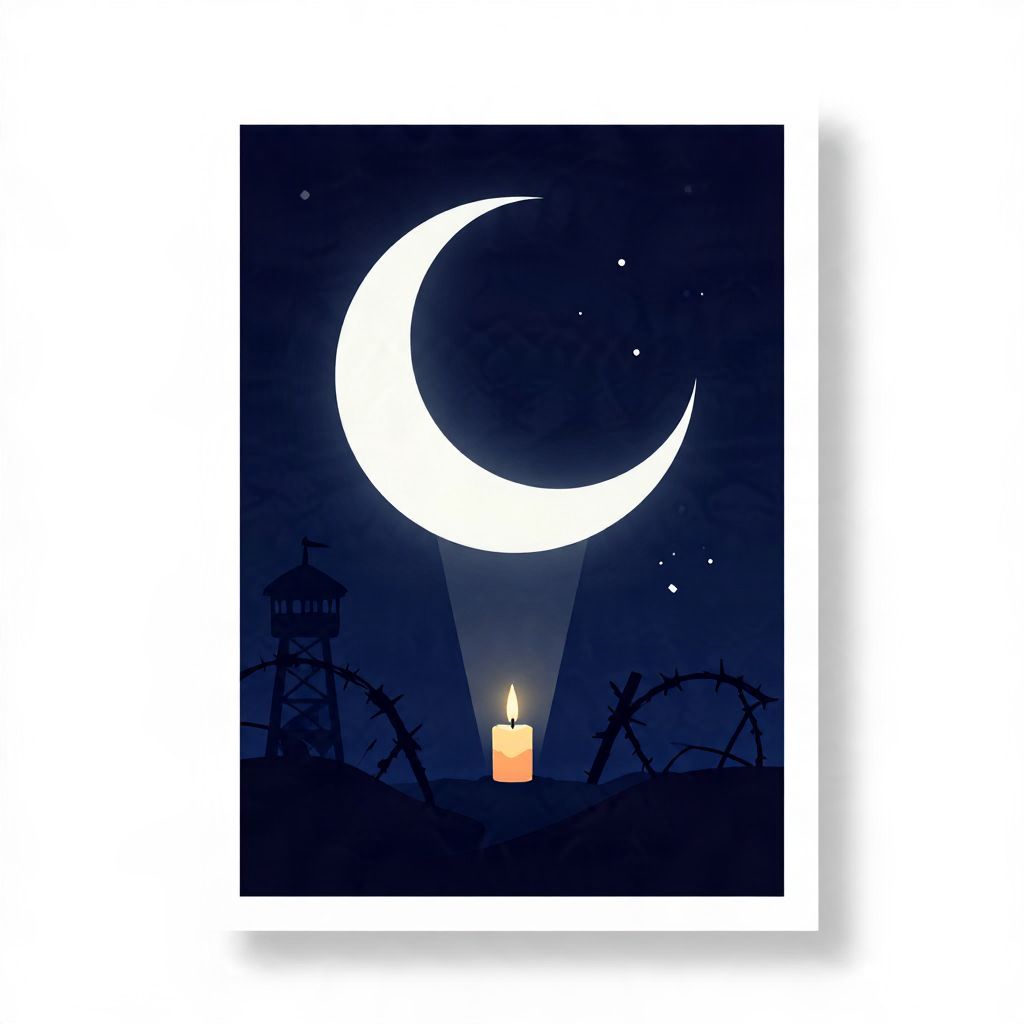
If you’re asking what the theme of Night by Elie Wiesel is, the shortest answer is that it is a memoir of survival shaped by the Holocaust, and its central themes are the destruction of innocence, the struggle to keep faith, and the dehumanizing power of cruelty. Wiesel’s book is not only a record of suffering; it is also a meditation on what remains of identity when human beings are pushed beyond ordinary limits.
Because Night is so brief and so intense, its themes are woven tightly into every scene, image, and relationship. Understanding them helps readers see why the book is studied as both a historical testimony and a powerful work of literary expression.
What is the theme of Night by Elie Wiesel?
The main theme of Night is the devastating loss of innocence under Nazi persecution, especially as Eliezer’s faith, family life, and sense of moral order are stripped away. The memoir also explores dehumanization, silence, survival, and the painful question of how belief can endure in the face of extreme suffering.
The central themes in Night
1. Loss of innocence
At the beginning of the memoir, Eliezer is a deeply religious boy. He is curious, devout, and still shaped by the rhythms of ordinary life in Sighet.
As the Holocaust unfolds, that innocence is shattered. He witnesses cruelty, mass deportation, starvation, and death, and the world he once trusted becomes unrecognizable.
2. Faith and the crisis of belief
One of the most discussed themes in Night is the struggle with faith. Eliezer does not simply lose religious certainty in a single moment; his belief is tested repeatedly by what he sees and experiences.
The memoir presents faith as something under severe pressure, not as a simple yes-or-no question. For many readers, this tension is one of the book’s most powerful features.
3. Dehumanization
The Nazis reduce prisoners to numbers, labor units, and bodies to be controlled. This process of dehumanization is one of the memoir’s most important themes.
Wiesel shows how hunger, fear, and violence can make people appear less like individuals and more like objects within a brutal system. The loss of names, dignity, and family bonds reinforces this idea.
4. Silence and witness
Night is also about the burden of testimony. Wiesel writes as someone who survived and therefore must remember, even when memory is painful.
Silence appears in many forms: the silence of bystanders, the silence of God, and the silence that follows trauma. The memoir insists that bearing witness is a moral act.
5. Father-son relationships
The bond between Eliezer and his father is central to the memoir. In the camps, that relationship becomes both a source of strength and a source of anguish.
Under extreme conditions, love is tested by exhaustion, fear, and the instinct to survive. Their relationship gives the book emotional depth and shows how the Holocaust distorted even the most basic family ties.
How the theme develops through the memoir
Before deportation: a world that still feels stable
Early in the memoir, life in Sighet still has structure. Eliezer studies religious texts, and the community largely assumes that danger is distant or temporary.
This opening matters because it establishes what is later lost. The theme of innocence depends on the contrast between ordinary life and the catastrophe that follows.
In the camps: survival at the cost of certainty
Once Eliezer enters the concentration camps, the memoir’s themes become more severe. Hunger, exhaustion, and terror dominate daily life, and moral choices are narrowed by desperation.
Here, Wiesel shows that survival is not heroic in a simple sense; it is often painful, compromised, and emotionally costly.
At the end: the self after trauma
By the memoir’s close, Eliezer is physically alive but spiritually altered. The ending does not offer neat resolution or reassurance.
Instead, it leaves readers with the sense that trauma changes a person permanently. That unresolved quality is part of the book’s meaning.
Important symbols and literary devices
The night itself
The title Night functions as a symbol for darkness, fear, and spiritual obscurity. It suggests not only the literal darkness of the camps but also the moral darkness of genocide.
It also reflects the inner darkness that grows as Eliezer’s world collapses.
Fire and flames
Fire appears as a recurring image connected to destruction, violence, and apocalyptic fear. It often signals the presence of death or the approach of catastrophe.
Because fire can also evoke judgment or purification in religious language, the image carries added emotional weight.
Silence and repetition
Wiesel uses repetition, short scenes, and stark language to create a sense of relentless pressure. The style mirrors the exhaustion and numbness of the experience he describes.
Silence is equally important. What is left unsaid can be as powerful as what is described directly.
First-person narration
The memoir is told in the first person, which makes the account intimate and immediate. Readers experience events through Eliezer’s perspective, which deepens the emotional impact.
This narrative choice also emphasizes testimony: the story is not abstract history, but lived memory.
Why the theme matters in literary study
The themes of Night are important because they help readers understand how literature can document history while also interpreting it. The memoir is a witness account, but it is also shaped by symbolism, structure, and voice.
That combination is why the book is often taught in discussions of Holocaust literature, memoir, and moral philosophy. It asks not only what happened, but what it means to remember what happened.
Common classroom interpretations
- Faith under pressure: Eliezer’s spiritual crisis is often read as a central thread of the memoir.
- Loss of childhood: The book traces how war and genocide force a child into premature emotional adulthood.
- Human dignity under attack: The camps are shown as systems designed to destroy identity and empathy.
- Testimony as responsibility: The memoir itself becomes an act of moral witness.
How Night compares to other Holocaust writing
Compared with some historical or analytical books about the Holocaust, Night is intensely personal and compressed. It does not try to explain the entire event; instead, it shows what the event felt like from inside one life.
That personal scale is part of its power. Readers often remember its themes because they are tied to family, faith, fear, and memory rather than to abstract argument alone.
What readers should take away
If you want the theme of Night in one sentence, it is this: the memoir shows how the Holocaust destroys innocence and faith while forcing the survivor to bear witness to human cruelty. Its deeper message is not only about suffering, but about memory, dignity, and the duty to remember.
For readers exploring related literature, you may also want to look at what a Holocaust book typically covers and compare this memoir’s moral tension with the theme of “The Lottery”.