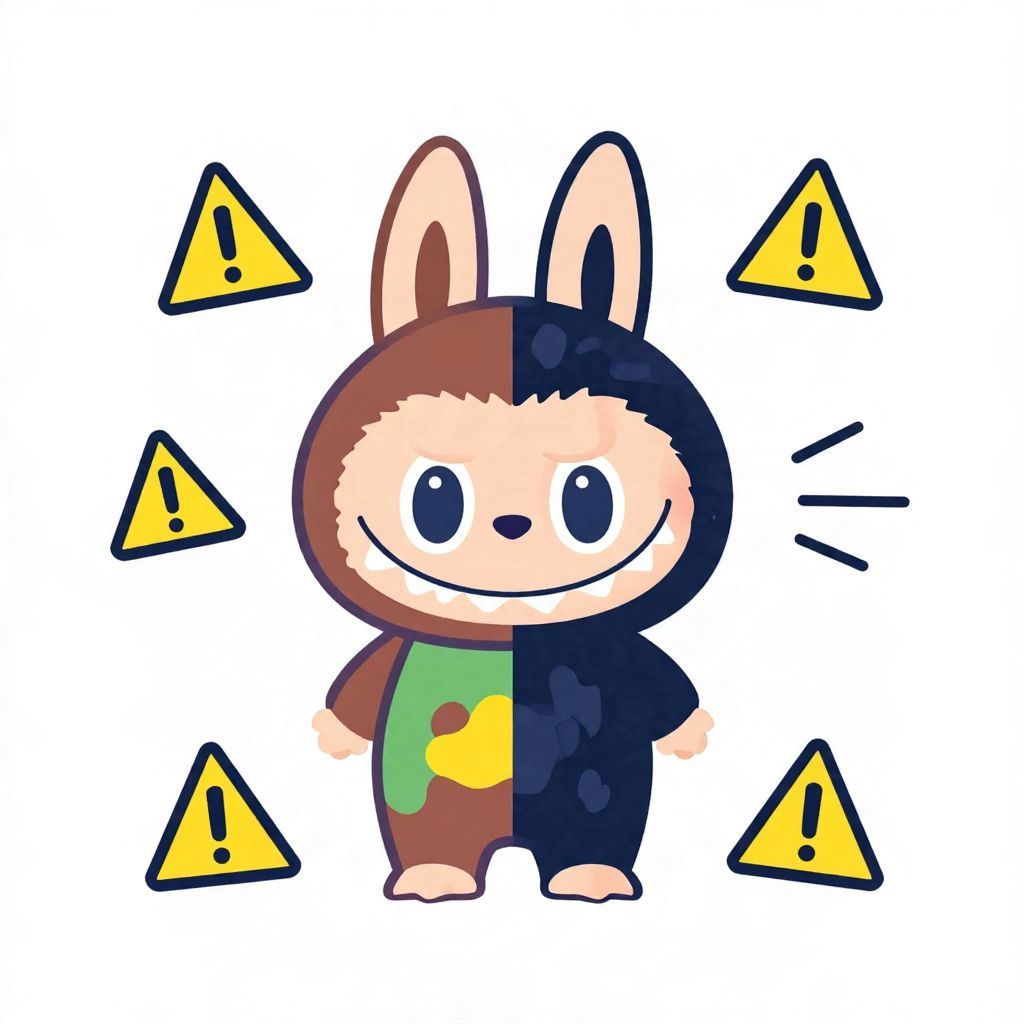
If you’ve seen the question “Are Labubus bad?” online, you’re probably not asking about a classic novel at all, but about the collectible Labubu character and the debates around it. The short answer is that Labubus are not inherently “bad”; the concern usually comes from pricing, hype, authenticity, and how collecting culture can become excessive.
What matters most is whether the figure is being treated as a fun collectible, a status symbol, or a compulsive purchase. In that sense, the real issue is less the toy itself and more the culture surrounding it.
Are Labubus bad, or is the controversy about collecting culture?
Labubus are not “bad” by nature. The criticism usually centers on scarcity marketing, resale prices, counterfeit products, and the pressure some buyers feel to keep up with trends. For many people, they’re harmless art toys; for others, they represent expensive hype culture.
What is a Labubu, exactly?
Labubu is a character from the world of designer toys, associated with collectible blind-box culture and stylized art figures. The appeal lies in its distinctive look, limited releases, and the thrill of unboxing rather than in any literary or narrative canon.
Why people like them
- Distinctive design that feels playful, odd, and recognizable.
- Collectibility through limited drops and series variations.
- Display value as a shelf item, accessory, or decor piece.
- Community appeal among collectors who trade, compare, and hunt for rare versions.
Why people criticize them
- High prices, especially on resale markets.
- FOMO marketing that can make buyers feel rushed.
- Counterfeits and confusion around authenticity.
- Overconsumption when collecting becomes more about chasing trends than enjoying the object itself.
Why do some people think Labubus are bad?
The word “bad” often reflects a reaction to the culture around the product, not the object alone. In practice, the criticism falls into a few common categories: cost, hype, authenticity, and the emotional pull of scarcity.
1. They can be expensive
Like many designer collectibles, Labubus can be relatively affordable at retail and much more expensive on the secondary market. That gap can frustrate buyers who feel priced out by speculation rather than craftsmanship.
2. They can encourage impulsive buying
Blind-box formats and limited drops can create a game-like experience. For some collectors, that’s part of the fun; for others, it can turn into repeated spending driven by uncertainty and the desire to complete a set.
3. Counterfeits muddy the waters
When a collectible becomes popular, imitation products often follow. That can lead to disappointment, safety concerns, and arguments over what counts as a “real” Labubu.
4. They can become status objects
Some people enjoy Labubus as art toys. Others treat them as social signals. When an object becomes a marker of taste or belonging, it can attract backlash from people who see the trend as shallow or performative.
Are Labubus bad for kids?
That depends on the child, the budget, and the context. As a toy or collectible, a Labubu is not automatically harmful, but the blind-box format and expensive resale culture may not be ideal for younger children who are still learning about money, disappointment, and consumer pressure.
What parents may want to consider
- Age appropriateness of small collectible items.
- Budget boundaries if a child wants multiple figures.
- Expectation management so unopened boxes do not become a source of frustration.
- Authenticity awareness if buying from resale platforms.
If a child enjoys the character itself and the purchase is modest, there is nothing inherently wrong with it. The concern is more about the market behavior around the collectible than the figure as an object.
Are Labubus bad for collectors?
For collectors, Labubus can be rewarding if the hobby stays intentional. They become problematic when collecting shifts from appreciation to compulsion, or when rarity matters more than enjoyment.
Healthy collecting looks like this
- Buying only figures you genuinely like.
- Setting a spending limit before shopping.
- Accepting that you will not own every version.
- Checking sellers carefully to avoid fakes.
Unhealthy collecting can look like this
- Chasing every release out of fear of missing out.
- Overspending to “complete” a set.
- Buying duplicates you do not really want.
- Feeling anxious, guilty, or competitive about the hobby.
In literary terms, this is a useful example of how an object can become symbolic. The Labubu is not just a figure; it can stand for desire, scarcity, identity, and the social performance of taste.
What makes the Labubu trend so powerful?
The popularity of Labubus is tied to several familiar forces in contemporary consumer culture. Limited availability, visual distinctiveness, and social media visibility all intensify desire.
Scarcity as a storytelling device
Even without a traditional narrative, collectible drops create a story arc: anticipation, release, unboxing, reveal, and resale. That sequence gives the product emotional momentum, which is one reason people feel strongly about it.
Social media amplification
Pictures of rare pulls, shelf displays, and “haul” videos can make the collectible feel more important than it might otherwise seem. This can be enjoyable community-building, but it can also magnify envy and pressure.
Design that invites attachment
Characters like Labubu often blend cute and strange qualities. That tension makes them memorable, and it helps explain why some people become deeply attached while others find the look unsettling.
How to tell if a Labubu is worth buying
If you’re wondering whether Labubus are bad for your wallet, the best test is practical: decide whether you like the object itself, not just the excitement around it.
- Ask why you want it. Is it for display, collecting, gifting, or trend-chasing?
- Compare retail and resale prices. A collectible can be fun at one price and unreasonable at another.
- Check authenticity carefully. Research the seller, packaging, and product details.
- Set a limit. Decide in advance how much you are willing to spend.
- Think long term. Will you still like it after the trend cools?
So, are Labubus bad?
No, Labubus are not inherently bad. They are collectibles, and like many collectibles, they can be fun, expressive, and satisfying. The problems arise when hype, scarcity, and resale culture push people toward overspending, anxiety, or status-driven collecting.
If you enjoy the design and can buy thoughtfully, there is nothing wrong with liking Labubus. If the trend feels manipulative or too expensive, it is perfectly reasonable to step back and skip it.
For more on how online culture shapes reading and collecting habits, you may also be interested in what is a smut book? and why women deserve less book?.