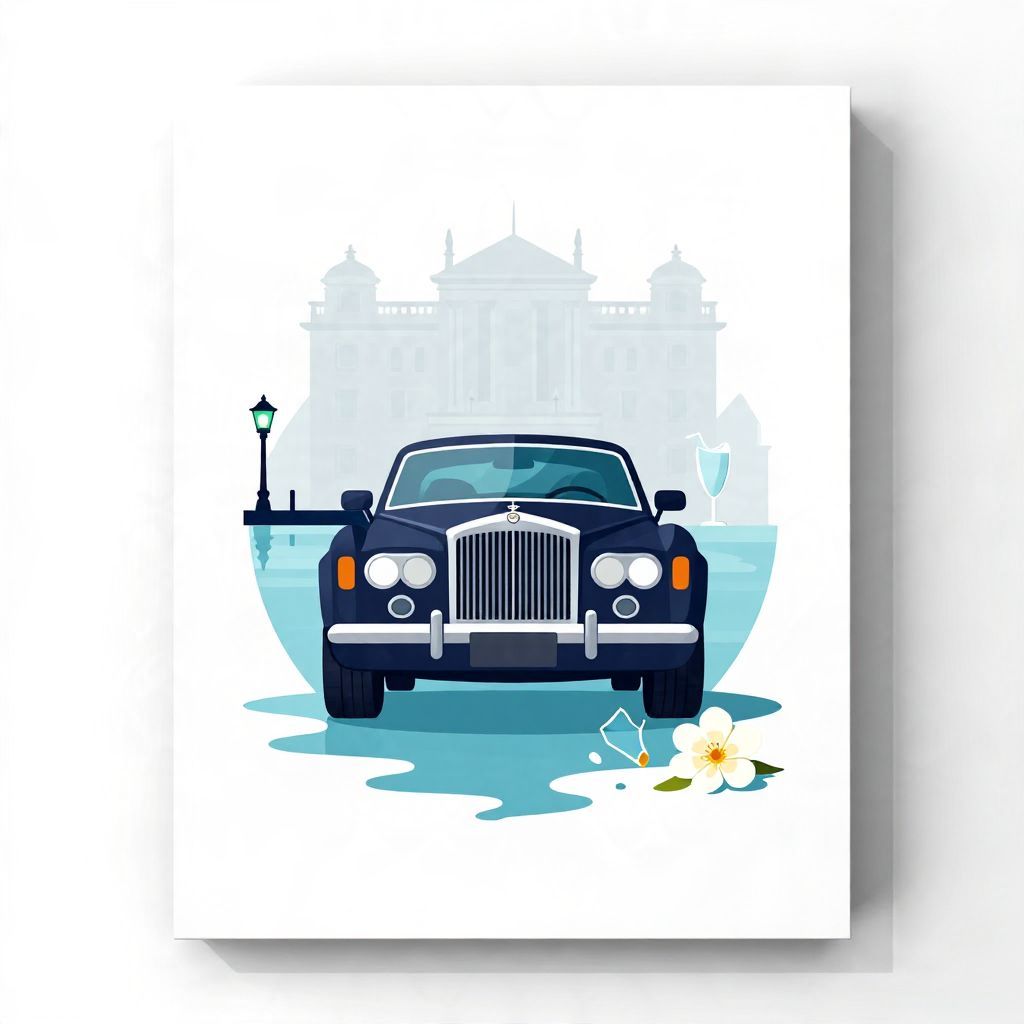
If you’re wondering how Gatsby dies, the answer is both simple and deeply tragic: Jay Gatsby is shot and killed by George Wilson near the end of F. Scott Fitzgerald’s The Great Gatsby. His death is not just a plot event but the culmination of the novel’s illusions, class tensions, and moral emptiness.
Fitzgerald uses Gatsby’s end to expose the fragility of the American Dream. The killing happens after a chain of misunderstandings, betrayal, and misplaced blame, making Gatsby’s death one of the most famous and devastating conclusions in modern American fiction.
How does Gatsby die in The Great Gatsby?
Gatsby dies by gunshot. George Wilson, convinced that Gatsby was responsible for Myrtle Wilson’s death, finds him at Gatsby’s mansion and shoots him before turning the gun on himself. The tragedy is fueled by mistaken identity, grief, and the destructive consequences of the novel’s central lies.
Spoiler-filled summary of Gatsby’s death
Spoiler warning: the following section explains the final events of the novel. After Myrtle is killed in a hit-and-run accident, Tom Buchanan directs George Wilson toward Gatsby’s car, allowing Wilson to believe Gatsby was the driver. In reality, Daisy was driving, but Gatsby chooses to protect her. That silence seals his fate.
The chain of events leading to the shooting
Wilson, emotionally shattered by Myrtle’s death, becomes increasingly desperate for someone to blame. Tom manipulates that desperation by implying Gatsby was involved, and Wilson eventually tracks Gatsby down at his home. Gatsby is floating in his pool when Wilson arrives, a setting that underscores the contrast between Gatsby’s wealth and his vulnerability.
Wilson shoots Gatsby and then kills himself. The scene is brief, abrupt, and stripped of sentimentality, which makes it even more shocking. Fitzgerald does not turn the moment into melodrama; instead, he lets the violence land as the final proof that the world of the novel has become spiritually hollow.
Why Gatsby’s death matters
Gatsby’s death is the novel’s moral and emotional center. It reveals how easily people in Fitzgerald’s world evade responsibility while others pay the price. Gatsby, despite his criminal connections and self-invention, is also the character most devoted to an ideal: the hope that the past can be recovered and love can be made perfect again.
Gatsby as a tragic figure
Gatsby fits the pattern of a tragic hero in a modern sense. He is flawed, but his flaws are inseparable from his dream. He believes money, charm, and reinvention can secure the life he wants, yet the world around him is governed by carelessness, class privilege, and illusion.
His death exposes the gap between appearance and reality. Gatsby has built a dazzling life, but it cannot protect him from the consequences of other people’s choices. In that sense, his end is both personal and symbolic.
Major themes connected to Gatsby’s death
The American Dream
Gatsby’s death is often read as Fitzgerald’s critique of the American Dream. Gatsby rises through ambition and self-making, but the dream is corrupted by wealth, status, and social exclusion. He succeeds materially, yet remains unable to enter the old-money world he longs to join.
His death suggests that the dream has become distorted: aspiration alone is not enough when the system rewards inheritance, image, and indifference over sincerity.
Class and social power
Tom and Daisy Buchanan remain insulated from the consequences of the tragedy. Gatsby dies, while they retreat into their privilege. Fitzgerald makes this contrast central to the novel’s critique of class power: the wealthy may cause destruction, but they are often least likely to suffer for it.
Illusion and self-invention
Gatsby creates an identity out of desire and performance. He changes his name, his manner, and his social world in pursuit of an idealized future. His death shows the limits of self-invention when it collides with social reality and moral irresponsibility.
Key characters involved in Gatsby’s death
- Jay Gatsby — the novel’s central figure, whose dream of Daisy and reinvention leads to his downfall.
- George Wilson — Myrtle’s husband, driven by grief and rage into violence.
- Daisy Buchanan — the driver of the car that kills Myrtle, though Gatsby protects her by taking the blame.
- Tom Buchanan — manipulates Wilson and helps redirect blame toward Gatsby.
- Narrator Nick Carraway — witnesses the aftermath and frames Gatsby’s death as a moral judgment on the world around him.
Symbols and literary techniques in the ending
The pool
The pool is one of the novel’s most striking symbols in the final chapter. Gatsby has delayed using it all summer, and his decision to swim on the day he dies gives the scene a haunting sense of timing. The pool suggests leisure, wealth, and isolation all at once.
Light, distance, and unreachable dreams
Fitzgerald repeatedly uses images of light and distance throughout the novel, especially in relation to Gatsby’s longing for Daisy. By the end, those images have become tragic: the dream remains visible, but never reachable. Gatsby’s death confirms that the future he imagined cannot be recovered.
Nick’s narration
Nick’s reflective narration shapes how readers understand the death. He is not a neutral observer; he admires Gatsby’s hope even as he recognizes its delusion. That tension gives the ending its emotional complexity and helps explain why Gatsby’s death feels both inevitable and heartbreaking.
What Gatsby’s death says about the novel’s ending
Gatsby’s death is not simply the last event in the story. It is the point at which the novel’s major ideas come together: the failure of idealism, the corruption of wealth, and the loneliness beneath glamour. After Gatsby dies, the emotional emptiness of the other characters becomes impossible to ignore.
Nick’s final reflections turn Gatsby into more than a man; he becomes a symbol of striving itself. Fitzgerald suggests that human beings keep reaching toward meaning, even when the world refuses to honor that hope. That is why Gatsby’s death lingers so powerfully with readers.
Quick review: why this ending still resonates
The Great Gatsby remains widely studied because its ending is both elegant and devastating. Gatsby dies in a moment of confusion, but the larger meaning is clear: dreams can be beautiful, yet they can also leave people exposed to the cruelty of others. The novel’s power lies in how it turns one man’s death into a broader indictment of a society built on desire and denial.
If you want to explore the final chapter in more detail, you may also find how The Great Gatsby ends and this related guide on how Gatsby died useful for a closer look at the novel’s closing events and interpretation.