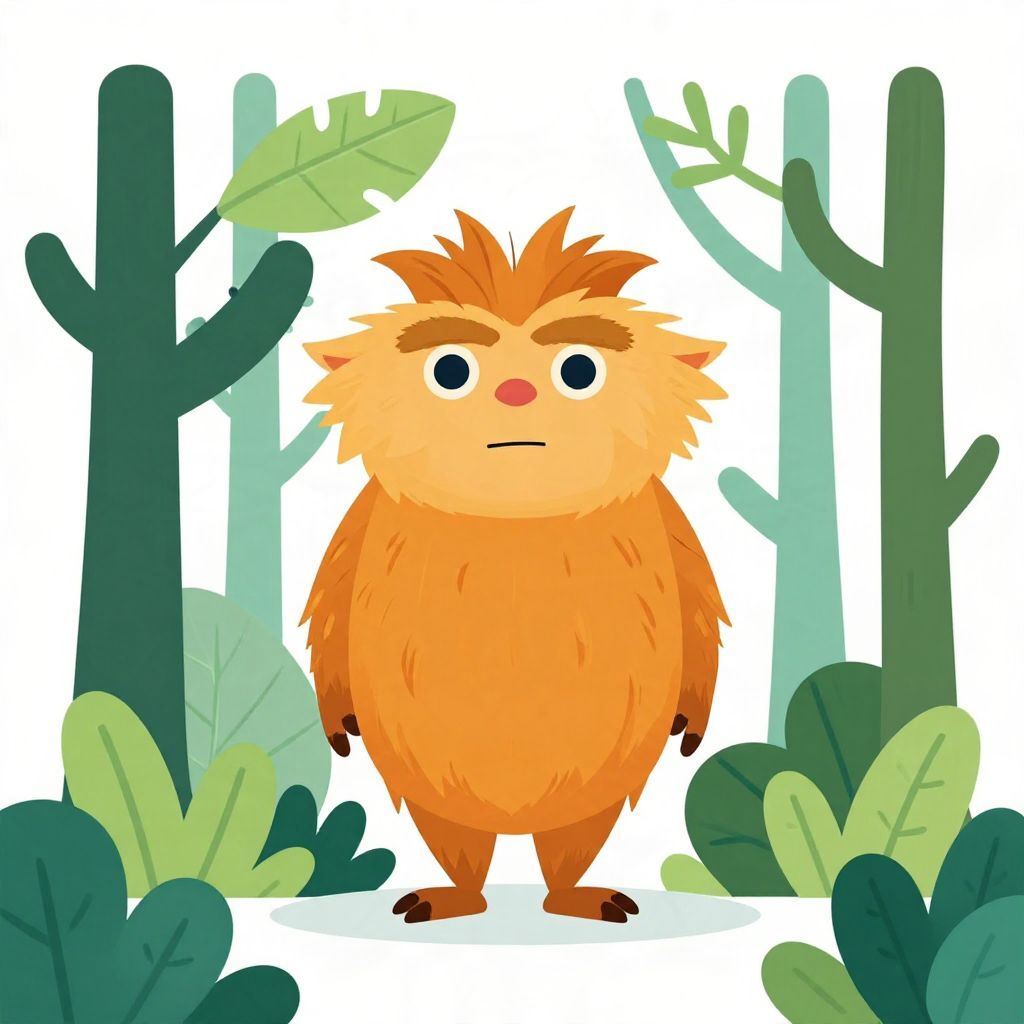
If you’re asking “What is a Lorax?” you’re usually asking about the famous Dr. Seuss character from The Lorax, a children’s book about environmental responsibility, loss, and the power of speaking up. The word has also become shorthand for a guardian or advocate for nature.
In literary terms, the Lorax is both a character and a symbol: a small, outspoken protector of the natural world who warns against greed and careless consumption. The book’s simple rhyme and vivid invented language make its message memorable for readers of many ages.
What is a Lorax in literature?
The Lorax is the title character of Dr. Seuss’s The Lorax, first published in 1971. He is a fictional environmental spokesman who “speaks for the trees,” challenging the Once-ler’s destruction of the forest and representing conscience, stewardship, and ecological warning.
Who created the Lorax?
The Lorax was created by Dr. Seuss, the pen name of Theodor Seuss Geisel. Seuss is one of the best-known American children’s authors, celebrated for playful rhyme, imaginative creatures, and books that often carry moral or social concerns beneath their humor.
Dr. Seuss and the book’s context
The Lorax appeared during a period of growing public attention to pollution, conservation, and environmental activism. While the book is not a policy text, it clearly reflects anxieties about industrial damage and the long-term costs of treating nature as a disposable resource.
What does the Lorax represent?
The Lorax represents the voice of warning that is often ignored until it is too late. He stands for environmental ethics, responsibility to future generations, and the idea that speaking truth to power can be uncomfortable but necessary.
Key symbolic meanings
- Nature’s advocate: He defends trees, animals, and ecosystems.
- Conscience: He reminds the Once-ler of moral consequences.
- Warning sign: He signals the danger of unchecked greed.
- Hope for renewal: The story leaves room for restoration and action.
What happens in The Lorax?
The story follows the Once-ler, whose business grows by cutting down Truffula Trees to make a product he can sell. The Lorax appears to protest the destruction, but the Once-ler continues until the forest is gone and the surrounding environment is damaged. The book ends with a call to care for what remains and to begin rebuilding.
Why the plot matters
The plot is simple on purpose. It turns an environmental crisis into a clear moral fable, showing how small decisions, repeated over time, can create large and lasting harm.
Major themes in The Lorax
Environmental destruction
The most obvious theme is the cost of deforestation and pollution. Seuss shows that when nature is treated only as raw material, the damage reaches beyond one forest and affects the whole living system.
Greed and consumerism
The Once-ler’s expanding business reflects the temptation to value profit above everything else. The book suggests that economic success without restraint can become self-defeating when it destroys the very world that supports it.
Responsibility and regret
The Once-ler’s retrospective telling gives the story a confessional tone. His account implies regret, but the Lorax’s presence keeps the focus on accountability rather than excuse.
Hope and stewardship
Although the book is cautionary, it is not hopeless. Its final movement points toward restoration, implying that people can still choose to protect and repair the natural world.
Literary techniques Dr. Seuss uses
Rhyme and rhythm
Seuss uses tight rhyme and a bouncing meter that make the story easy to read aloud. The musical quality softens the seriousness of the subject while also making the warnings more memorable.
Invented language
Words like Truffula and Thneed create a whimsical world that feels playful on the surface. That playfulness makes the environmental message more accessible to children without reducing its seriousness.
Allegory and fable
The Lorax works as an allegory, meaning that its characters and events stand for larger ideas. The forest, the factory-like enterprise, and the damaged landscape all point beyond the literal plot to broader social and ecological concerns.
Repetition and contrast
Seuss repeats key sounds, phrases, and images to build momentum. He also contrasts the bright, living forest with the bleak aftermath of exploitation, making the loss visually and emotionally clear.
Why is the Lorax still important?
The Lorax remains important because the book’s central question is still relevant: what happens when short-term gain outweighs long-term care? Readers continue to return to the story because it is brief, vivid, and adaptable to conversations about climate, conservation, and ethical responsibility.
Use in classrooms and discussions
Teachers often use The Lorax to introduce environmental themes, symbolism, and persuasive storytelling. It is especially useful because it invites readers to discuss both the literal story and the larger social message behind it.
Common questions about the Lorax
Is the Lorax a real animal?
No. The Lorax is a fictional character, though his appearance is often described in animal-like terms. He is best understood as a symbolic creature rather than a species from the real world.
Does the Lorax speak for the trees?
Yes, that is the Lorax’s defining role in the story. He speaks on behalf of the forest and its inhabitants, which is why the phrase has become so closely associated with environmental advocacy.
Is The Lorax only for children?
No. While it is written for young readers, the book’s themes are broad enough for adults as well. Its blend of humor, warning, and moral clarity gives it lasting appeal across age groups.
What to read if you like The Lorax
If you’re interested in books that blend imaginative storytelling with a clear message, look for other Dr. Seuss titles that use playful language to explore values, choices, and consequences. You may also enjoy children’s books and picture books about nature, conservation, and responsibility.
For more background on the author behind The Lorax, see when Dr. Seuss’s birthday is and how many books Dr. Seuss wrote.
Takeaway: A Lorax is Dr. Seuss’s fictional environmental guardian—an enduring literary symbol of warning, care, and the need to protect the natural world before damage becomes irreversible.