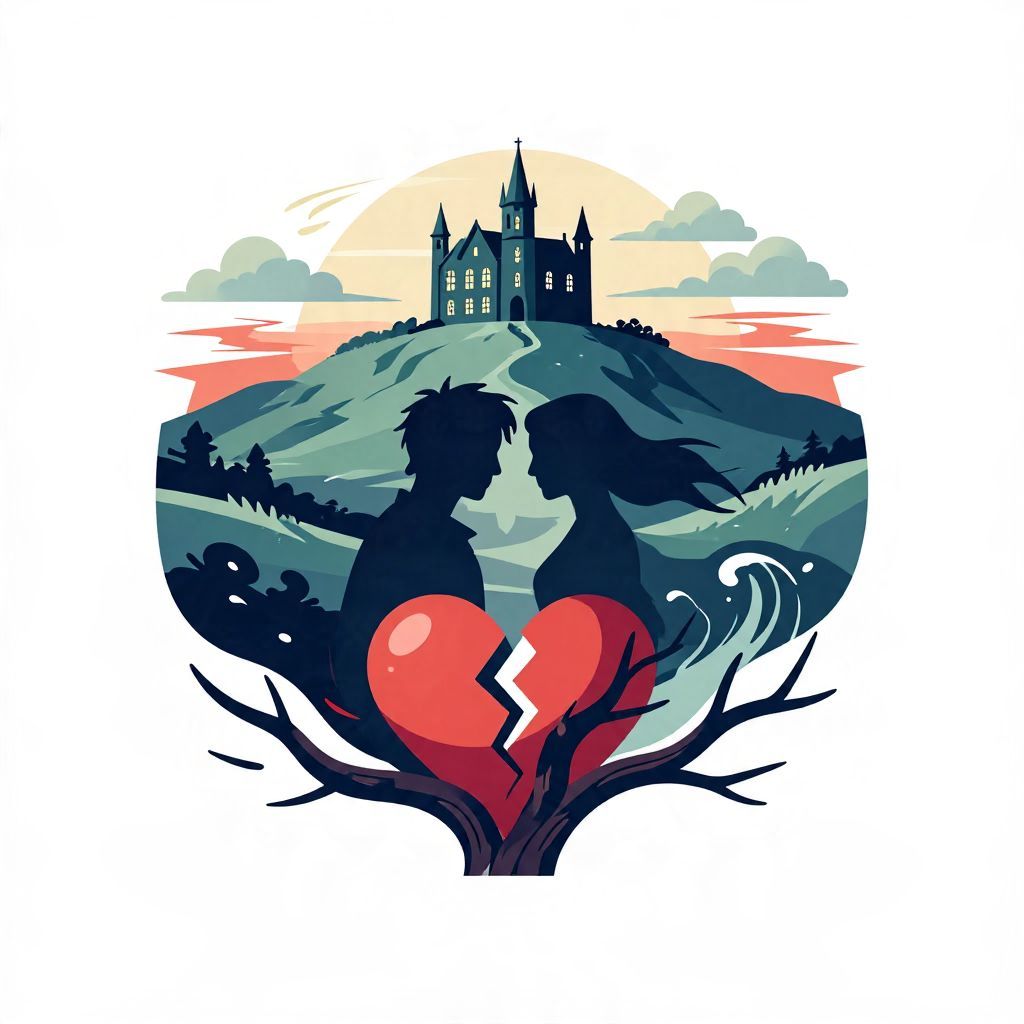
If you’re wondering what Wuthering Heights is about, the short answer is that it is a dark Gothic novel of passion, revenge, class tension, and emotional ruin. Emily Brontë’s story centers on the intense, destructive bond between Heathcliff and Catherine Earnshaw, while tracing how their choices affect two generations of families on the Yorkshire moors.
It is not a simple romance. The novel blends love story, family saga, and psychological drama, using layered narration and a haunting setting to explore obsession, cruelty, memory, and the damage people do when they cannot separate love from possession.
What is Wuthering Heights movie about?
A Wuthering Heights movie is usually about the same core story as the novel: an orphaned outsider, Heathcliff, is taken into the Earnshaw household, falls deeply in love with Catherine, and is later driven by rejection, humiliation, and revenge. Most film versions focus on the emotional intensity of their relationship and the bleak, windswept atmosphere of the Yorkshire moors.
What happens in the story of Wuthering Heights?
The novel follows Heathcliff and Catherine from childhood into adulthood, showing how their bond becomes distorted by social class, pride, and betrayal. Catherine chooses to marry Edgar Linton for status and security, while Heathcliff disappears, returns wealthier and harder, and begins a long campaign of revenge that entangles the next generation.
The basic setup
The story begins at Wuthering Heights, a remote and harsh estate, and contrasts it with Thrushcross Grange, a more refined home. This contrast matters because Brontë uses the two houses to represent two different worlds: wild intensity and cultivated restraint.
Why the plot feels so intense
Much of the novel’s power comes from emotional extremity. Characters rarely speak or act with moderation, and the book treats love, resentment, and grief as forces that can shape an entire household for years.
Who are the main characters?
The novel’s central figures are memorable because each one reveals a different side of the book’s moral and emotional world. Their relationships create the novel’s conflict and its tragic momentum.
- Heathcliff — an orphan taken in by the Earnshaws; passionate, wounded, and increasingly vengeful.
- Catherine Earnshaw — spirited, proud, and torn between emotional truth and social ambition.
- Edgar Linton — Catherine’s husband, associated with gentility, comfort, and social order.
- Nelly Dean — the housekeeper and major narrator who recounts much of the story.
- Lockwood — the outer narrator who frames the novel and introduces the reader to the setting.
- Hareton Earnshaw and young Catherine Linton — the second generation whose lives reflect the consequences of the first generation’s choices.
Is Wuthering Heights a love story or a revenge story?
It is both, but neither in a conventional sense. The love between Heathcliff and Catherine is genuine in intensity, yet it becomes possessive, self-destructive, and morally damaging. At the same time, Heathcliff’s revenge gives the novel much of its structure, turning private pain into a long cycle of cruelty.
Love in the novel
Brontë presents love as something overwhelming and almost elemental. Catherine and Heathcliff seem to understand each other more deeply than anyone else does, but their bond is also unstable because it cannot survive pride, class pressure, and emotional immaturity.
Revenge in the novel
Heathcliff’s return transforms the story into a study of obsession. He does not simply want success; he wants to dominate the people and places that once excluded or wounded him.
What themes does the movie usually highlight?
Most adaptations emphasize a few major themes that are already central in the book. These themes help explain why the story continues to attract filmmakers and audiences.
- Passion versus restraint — the struggle between emotional intensity and social control.
- Class and social mobility — how status shapes marriage, identity, and opportunity.
- Vengeance — the destructive cost of turning pain into retaliation.
- Isolation — the moors and the houses create a closed world of emotional pressure.
- Nature and wildness — the landscape mirrors the characters’ untamed feelings.
- Inheritance and repetition — the younger generation inherits the consequences of the older one’s choices.
Why is the setting so important?
The setting is not just background; it shapes the meaning of the novel. The Yorkshire moors, with their wind, emptiness, and harsh weather, create a mood of exposure and emotional extremity. The landscape often feels like an extension of the characters’ inner lives.
Wuthering Heights and Thrushcross Grange
Wuthering Heights is rough, stormy, and inward-looking, while Thrushcross Grange is more polished and socially refined. The contrast between them helps Brontë dramatize the tension between instinct and civilization.
What makes the novel Gothic?
Wuthering Heights is a classic Gothic novel because it uses darkness, isolation, mystery, and emotional excess to create suspense and unease. There are secrets, unusual family structures, eerie atmospheres, and a sense that the past continues to haunt the present.
Common Gothic features in the story
- Remote houses and bleak weather
- Family conflict and inheritance struggles
- Strong emotions pushed to extremes
- Haunting memories and the persistence of the dead in the living imagination
- A mood of dread rather than comfort
How does Emily Brontë tell the story?
One reason the novel remains so discussed is its narrative structure. Brontë uses a frame narrative: Lockwood introduces the setting, then Nelly Dean tells much of the story, often through remembered conversations and events. This layered method creates distance, uncertainty, and a sense that the truth is being filtered through memory.
Why the narration matters
The novel does not offer one perfectly objective viewpoint. Instead, readers must interpret events through narrators who have their own judgments, loyalties, and blind spots. That complexity is part of what makes the book feel psychologically rich.
What symbols and motifs appear in the story?
Brontë uses recurring images to deepen the emotional meaning of the novel. These symbols are not decorative; they reinforce the book’s central concerns.
- The moors — freedom, danger, and emotional wildness.
- Windows and doors — separation, longing, and barriers between people.
- Storms and weather — turmoil, violence, and unstable feeling.
- Names and inheritance — identity passed down, distorted, or reclaimed.
- Ghostly presence — the persistence of memory, grief, and unresolved attachment.
Is the movie the same as the book?
Not exactly. Film adaptations usually simplify the novel’s structure, shorten the second-generation plot, or focus more heavily on the central romance. Because the book is dense, layered, and morally ambiguous, many movies emphasize atmosphere and emotion over every subplot and narrator shift.
What adaptations often change
- They may reduce the number of narrators.
- They often streamline the timeline.
- They may soften or intensify Heathcliff’s character depending on the adaptation.
- They frequently foreground the love story more than the novel does.
Why do readers still study Wuthering Heights?
Readers and students return to the novel because it is emotionally intense, formally inventive, and open to interpretation. It can be read as a tragic romance, a critique of social hierarchy, a Gothic family drama, or a psychological study of obsession and damage.
Questions the novel raises
The book invites readers to ask difficult questions: Is love ever separable from possession? Can suffering excuse cruelty? Does the past shape people more than they realize? Brontë does not answer these questions neatly, which is part of the novel’s lasting power.
Who might enjoy the story?
If you are drawn to moody classics, emotionally charged relationships, and novels that reward close reading, Wuthering Heights may be a strong fit. It is especially appealing to readers who enjoy Gothic fiction, literary symbolism, and stories where atmosphere matters as much as action.
If you want a gentler romance, this may not be the right classic to begin with. Its emotional world is fierce, unsettling, and often painful, even when it is beautiful.
Quick takeaway
Wuthering Heights is about a destructive, unforgettable bond between Heathcliff and Catherine, and about the damage that pride, class division, and revenge can do across generations. Whether you encounter it as a novel or a movie, it is best understood as a Gothic tragedy of love, memory, and emotional ruin.
For more classic literature guides and comparisons, you may also enjoy reading about related book and author articles.