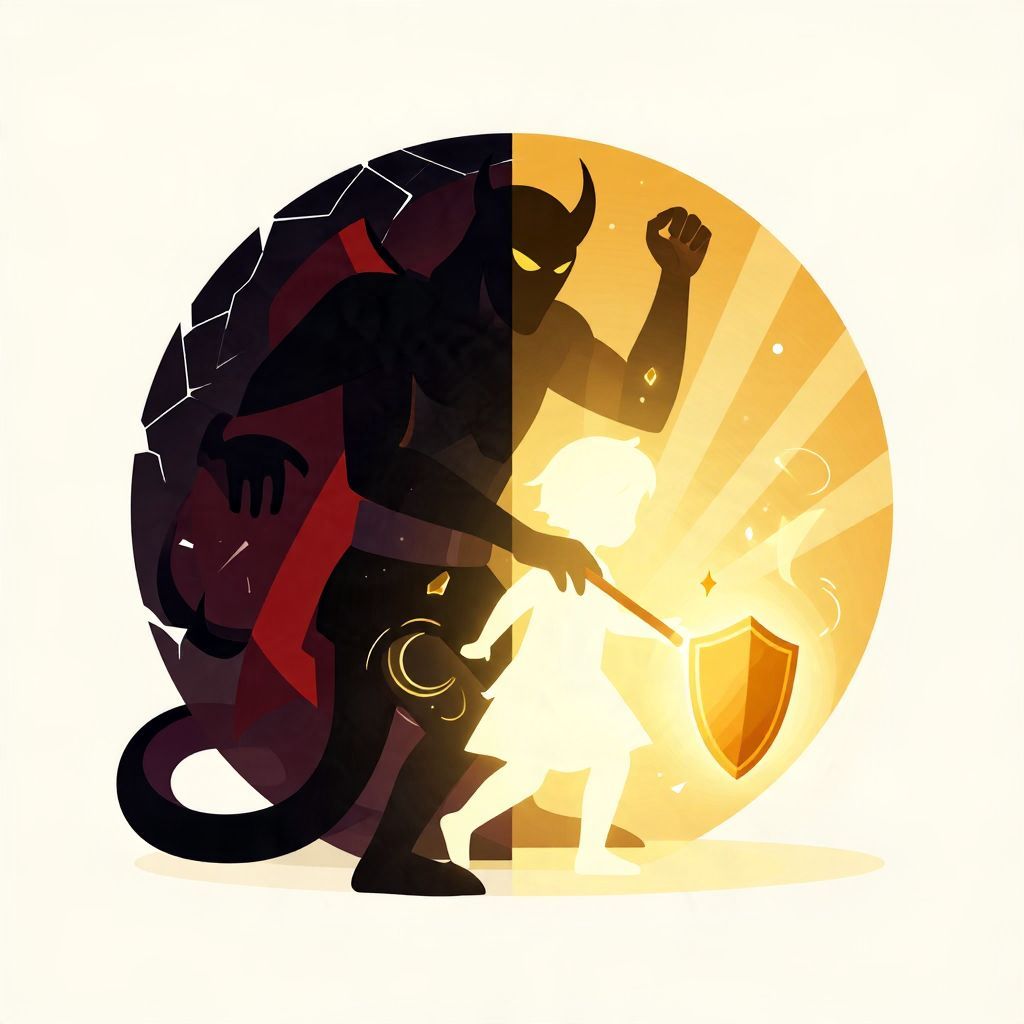
If you’re asking why Voldemort is so determined to kill Harry Potter, the answer lies at the center of Harry Potter’s prophecy-driven conflict. Harry is not just another enemy to Voldemort; he becomes the one person Voldemort believes can stop him, challenge his immortality, and fulfill a prophecy that ties both of their fates together.
That makes their rivalry more than a simple good-versus-evil chase. It is a story about fear, power, identity, and the way Voldemort’s own choices help create the threat he most wants to eliminate.
Why does Voldemort want to kill Harry Potter?
Voldemort wants to kill Harry because Harry is the child marked by the prophecy as the one with the power to defeat him. Voldemort also sees Harry as a personal threat: Harry survives the killing curse, becomes a symbol of resistance, and is linked to the part of Voldemort’s soul that keeps the Dark Lord from fully controlling death.
The prophecy that makes Harry a target
In the series, a prophecy predicts that a child born at the end of July to parents who defied Voldemort three times will have the power to vanquish him. Voldemort hears only part of that prophecy, but it is enough to make him fixate on Harry and treat him as a mortal danger.
Why Voldemort chooses Harry specifically
Voldemort does not know for certain whether the prophecy refers to Harry or Neville Longbottom until after he acts, but he chooses Harry because Harry fits the details he hears. That choice matters: by targeting Harry, Voldemort effectively helps make the prophecy true.
This is one of the series’ most important ironies. Voldemort tries to avoid fate, yet his attempt to prevent the prophecy from coming true is what places Harry on the path to confronting him.
How Voldemort’s first attack on Harry backfires
When Voldemort tries to kill baby Harry, the curse rebounds because of Lily Potter’s sacrificial protection. Voldemort’s body is destroyed, but Harry survives with the lightning-shaped scar and an accidental connection to Voldemort’s soul.
The significance of Lily’s protection
Lily’s sacrifice is not just a plot device; it is a major moral contrast in the series. Voldemort relies on domination and fear, while Lily’s love creates a protective magic that Voldemort cannot understand or defeat through violence.
That failure leaves Voldemort humiliated and incomplete. From then on, Harry is not merely the child who escaped him; he is living proof that Voldemort can be resisted and that his power is not absolute.
Harry becomes a threat to Voldemort’s immortality
Voldemort values power above almost everything, and he is obsessed with defeating death. Harry threatens that obsession because he becomes tied to the destruction of Voldemort’s Horcruxes, the objects containing fragments of Voldemort’s soul.
Why the Horcrux connection matters
Because Harry unknowingly carries a piece of Voldemort’s soul, he is not only an enemy but also a necessary part of Voldemort’s undoing. This makes their conflict unusually intimate: Voldemort’s own attempt at immortality creates the condition for his defeat.
In literary terms, the series uses this connection to make the villain’s weakness come from his greatest strength-seeking ambition. Voldemort’s refusal to accept mortality leads him to split his soul, and Harry becomes the person who can survive long enough to expose that flaw.
Why Harry matters to Voldemort psychologically
Voldemort is not driven by ordinary hatred alone. He is deeply threatened by anything that reminds him of vulnerability, love, or dependence, and Harry represents all three in ways Voldemort cannot control.
Harry as a symbol of what Voldemort lacks
- Love: Harry is protected by love, while Voldemort rejects it.
- Belonging: Harry forms loyal friendships and alliances, while Voldemort isolates himself.
- Choice: Harry repeatedly chooses compassion and sacrifice, while Voldemort chooses domination.
Because Harry embodies those values, he becomes more than a rival. He is a living contradiction to Voldemort’s worldview, which makes him especially dangerous in Voldemort’s eyes.
Spoiler note: the deeper reason Voldemort cannot simply ignore Harry
As the series progresses, it becomes clear that Voldemort cannot safely leave Harry alone because Harry is central to the destruction of the Horcruxes and ultimately to Voldemort’s final defeat. Even when Voldemort underestimates him, he keeps returning to the same conclusion: Harry must be eliminated.
What the later books reveal
The later novels show that Harry’s survival is not accidental in a simple sense. His connection to Voldemort, the prophecy, and the sacrificial magic surrounding him all place him at the center of the conflict. Voldemort’s desire to kill Harry is therefore both strategic and deeply personal.
In the final stretch of the story, Voldemort’s obsession becomes self-destructive. The more he focuses on killing Harry, the more he reveals his fear of losing control over the story he wants to dominate.
Literary themes behind Voldemort’s obsession
J.K. Rowling uses the Harry-Voldemort conflict to explore several recurring themes in the series. The question of why Voldemort wants to kill Harry is also a question about what kind of world Voldemort wants to build and why Harry stands in his way.
Fate versus choice
The prophecy suggests destiny, but the books repeatedly emphasize choice. Voldemort’s decision to act on the prophecy is what gives it force, while Harry’s choices define his identity more than the prophecy ever could.
Fear of death
Voldemort’s terror of death drives much of the plot. Harry, by contrast, learns to face death without surrendering to it, which is one reason he can resist Voldemort’s power.
Love versus control
Voldemort believes power comes from control, but the series argues that love, loyalty, and sacrifice are stronger forces. Harry survives because others love him, and he eventually wins by accepting sacrifice rather than avoiding it.
Why this conflict works so well in the series
The Harry-Voldemort rivalry is effective because it is both epic and personal. On one level, it is a battle for the wizarding world; on another, it is the story of a child who must face the man who tried to erase him before he could even remember the attack.
What makes the conflict memorable
- It begins with a failed murder attempt and grows into a lifelong struggle.
- It is shaped by prophecy, but not ruled by it.
- It ties together plot, symbolism, and character development.
- It turns Voldemort’s own pursuit of immortality into his weakness.
That layered structure gives the series its emotional force. Voldemort wants Harry dead because Harry threatens his power, his immortality, and his self-image as the most powerful wizard alive.
Quick answer for readers looking for the core reason
Voldemort wants to kill Harry because he believes Harry is the child destined to defeat him, and because Harry’s survival proves Voldemort is not invincible. The attempt begins with the prophecy, but it grows into a larger struggle over fear, sacrifice, and the limits of dark magic.
If you want to go deeper into the series’ larger mythology, you may also enjoy reading about the seven Horcruxes and how they are destroyed or how Tom Riddle became Voldemort.