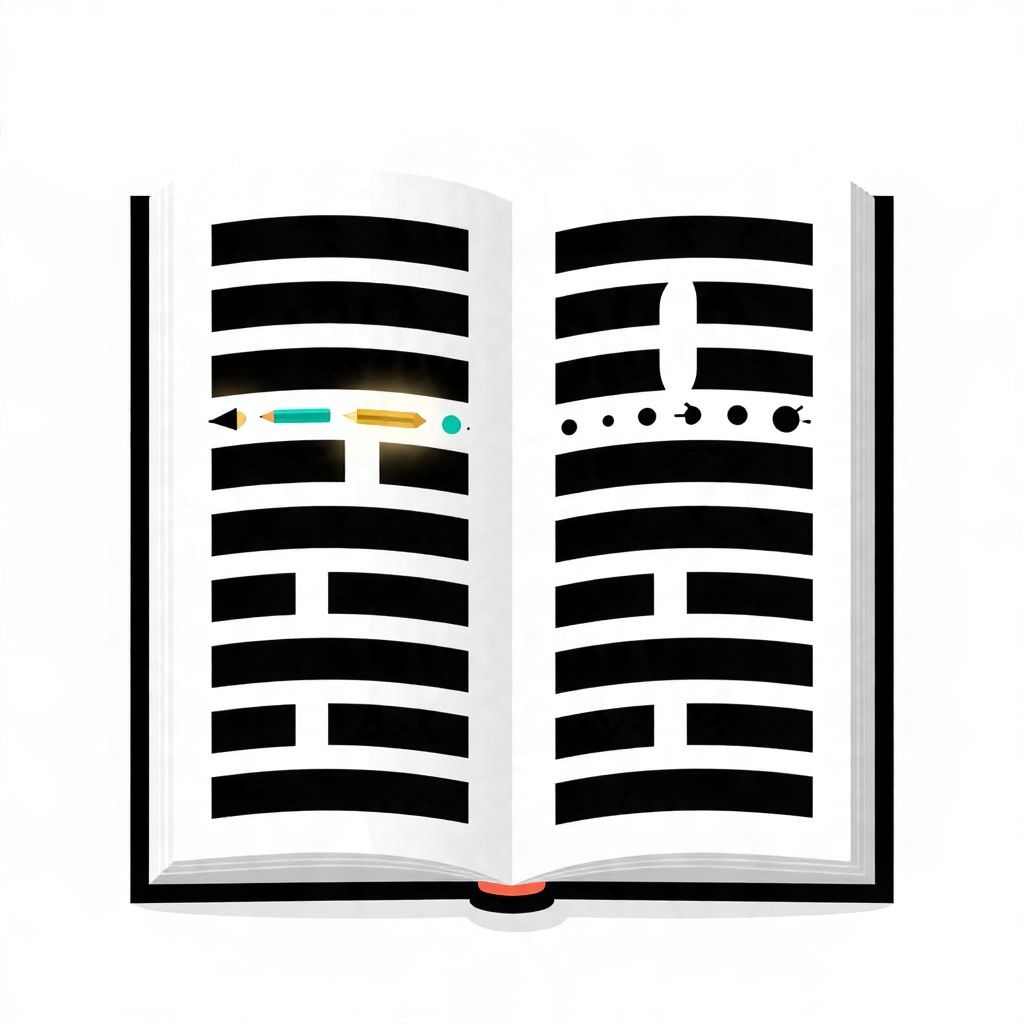
Have you ever seen a page where words seem to disappear into a darkened pattern, leaving only a new poem behind? That striking visual form is called blackout poetry, and it turns existing text into something fresh, surprising, and often deeply expressive.
In blackout poetry, the writer selects words from a printed page and blacks out the rest, creating a new text from what remains. The result is part found poetry, part visual art, and part literary puzzle.
What is blackout poetry?
Blackout poetry is a form of found poetry made by taking an existing page of text and removing most of the words with ink, marker, or another method so that only a chosen sequence remains. The surviving words form a new poem, often shaped by the page’s original language, layout, and meaning.
How blackout poetry works
The process is simple in theory but rich in artistic possibility. A poet begins with a page from a book, newspaper, magazine, article, or other printed source, then searches for words and phrases that can be rearranged into a poem without adding new text.
The basic method
- Choose a page with enough varied vocabulary to work with.
- Scan for words that suggest a mood, image, or idea.
- Select a path through the text by keeping certain words visible.
- Black out, shade over, or otherwise obscure the remaining words.
- Let the visual design support the poem’s meaning.
Because the poet cannot invent new words freely, blackout poetry depends on selection, compression, and interpretation. The poet is not only writing; they are editing, discovering, and redesigning language.
Why the visual element matters
The blacked-out areas are not just background. They shape the reader’s eye, create contrast, and often make the page feel like an object as much as a text. In many blackout poems, the darkened sections can resemble illustrations, shadows, or abstract patterns.
Where did blackout poetry come from?
Blackout poetry is a modern form of found poetry, but its roots lie in a longer tradition of artists and writers reusing existing language. Found poetry has appeared in different forms for decades, and blackout poetry became especially visible in the digital age through classrooms, art projects, and social media sharing.
It is closely related to earlier experimental practices that treat language as material to be cut, rearranged, or re-seen. Rather than inventing a poem from scratch, the blackout poet reveals one hidden inside another text.
Connection to found poetry
Found poetry includes many methods: excerpting lines from newspapers, rearranging advertisements, or taking phrases from public documents. Blackout poetry is one of the most recognizable versions because it combines literary extraction with a strong visual transformation.
What makes blackout poetry literary?
Although it can look playful or classroom-friendly, blackout poetry involves real literary choices. The poet must decide which words to preserve, how to manage line breaks, what tone emerges, and how the page’s original meaning will be altered or resisted.
Common literary techniques in blackout poetry
- Juxtaposition: unexpected word combinations create tension or surprise.
- Compression: a larger passage is reduced to a few charged words.
- Ambiguity: the poem may suggest more than it states.
- Visual symbolism: the blacked-out areas can echo themes of silence, erasure, or concealment.
- Recontextualization: words gain new meaning when placed in a new order.
These techniques make blackout poetry more than a craft exercise. It is a form of interpretation, because the poet reveals one possible reading of the source text while hiding others.
What themes does blackout poetry often explore?
There is no single theme associated with blackout poetry, but the form naturally lends itself to ideas about memory, loss, censorship, identity, and transformation. Since the poem emerges from an existing page, it often feels like something rescued from noise or buried beneath it.
Common thematic possibilities
- Erasure and silence: what is removed can be as meaningful as what remains.
- Discovery: the poem feels uncovered rather than invented.
- Revision: old language is given a new life.
- Constraint: limits can sharpen creativity.
- Resistance: blackout can suggest refusal, censorship, or control.
Because the form is so flexible, blackout poetry can be lyrical, political, humorous, mournful, or abstract. Its meaning depends heavily on the source text and the poet’s choices.
Literary examples of blackout poetry
Blackout poetry is often taught through examples rather than a fixed canon, because the form is highly individual and many works circulate as single-page pieces rather than as published collections. Still, several well-known examples and practices help show how the form works in literary terms.
Examples from contemporary practice
One of the best-known modern associations with blackout poetry is the work of Austin Kleon, whose book Newspaper Blackout helped popularize the form for many readers. His poems use newspaper text as source material, demonstrating how ordinary print can be transformed into compact, image-driven verse.
In classrooms and online galleries, blackout poems often begin with public-domain pages, newspaper columns, or literary excerpts. A page of prose might yield a short meditation on weather, grief, hope, or urban life once most of the language is obscured.
What to look for in an example
- How the remaining words create a grammatical path.
- Whether the poem tells a complete thought or only suggests one.
- How the visual design supports the emotional tone.
- Whether the source text’s original subject is preserved, altered, or contradicted.
When reading blackout poetry, it helps to compare the source page with the finished poem if both are available. That comparison reveals how meaning shifts through omission, sequence, and emphasis.
How do you read blackout poetry?
Reading blackout poetry is slightly different from reading a standard poem. You are not only following the words that remain; you are also noticing the words that have been removed and the relationship between the two layers of text.
A simple reading approach
- Read the visible words as a poem on their own.
- Notice the shape and placement of the blacked-out areas.
- Ask what tone the page creates: playful, ominous, tender, ironic, or reflective.
- Consider how the original text might have changed the poem’s meaning.
- Look for repeated images, sounds, or ideas that unify the piece.
This layered reading experience is part of the form’s appeal. The poem feels both found and made, both accidental and deliberate.
How blackout poetry differs from other poetic forms
Blackout poetry is often grouped with other experimental or visual forms, but it has its own distinct identity. Unlike a sonnet or haiku, it does not rely on a fixed meter or syllable count. Unlike free verse, it begins with preexisting language rather than original wording.
Quick comparison
- Free verse: original lines without a set meter or rhyme scheme.
- Found poetry: poems made from existing text, including blackout methods.
- Concrete poetry: poems in which the visual arrangement is central to meaning.
- Blackout poetry: found poetry with a strong erasure-based visual component.
That combination of found text and visual design is what makes blackout poetry especially accessible to beginners and especially interesting to literary experimenters.
Why readers and writers are drawn to blackout poetry
Blackout poetry appeals to many people because it lowers the barrier to entry while still demanding artistic judgment. A page of text becomes a field of possibilities, and the poet’s task is to notice what can be made from what is already there.
It also offers a satisfying paradox: by taking words away, the poet creates something new. That tension between absence and expression is at the heart of the form.
Tips for trying blackout poetry yourself
If you want to make a blackout poem, start with a page that has enough variety to support several possible readings. Dense prose often works well because it offers more words to choose from, but a page with strong imagery can also be effective.
- Choose a page you are allowed to mark up, such as a photocopy or public-domain text.
- Read for sound as well as meaning.
- Keep the poem short and focused.
- Let the darkened areas contribute to the mood.
- Do not worry about preserving the source text’s original message.
The best blackout poems often feel inevitable, as if the hidden poem had been waiting inside the page all along.
Final thoughts
What is blackout poetry? It is a form of found poetry that transforms existing text into a new poem by erasing most of the original words. The result is a literary form that blends editing, visual art, and interpretation into one compact, inventive practice.
If you want to explore related poetic devices, you may also enjoy reading about imagery in poetry and repetition in poetry.