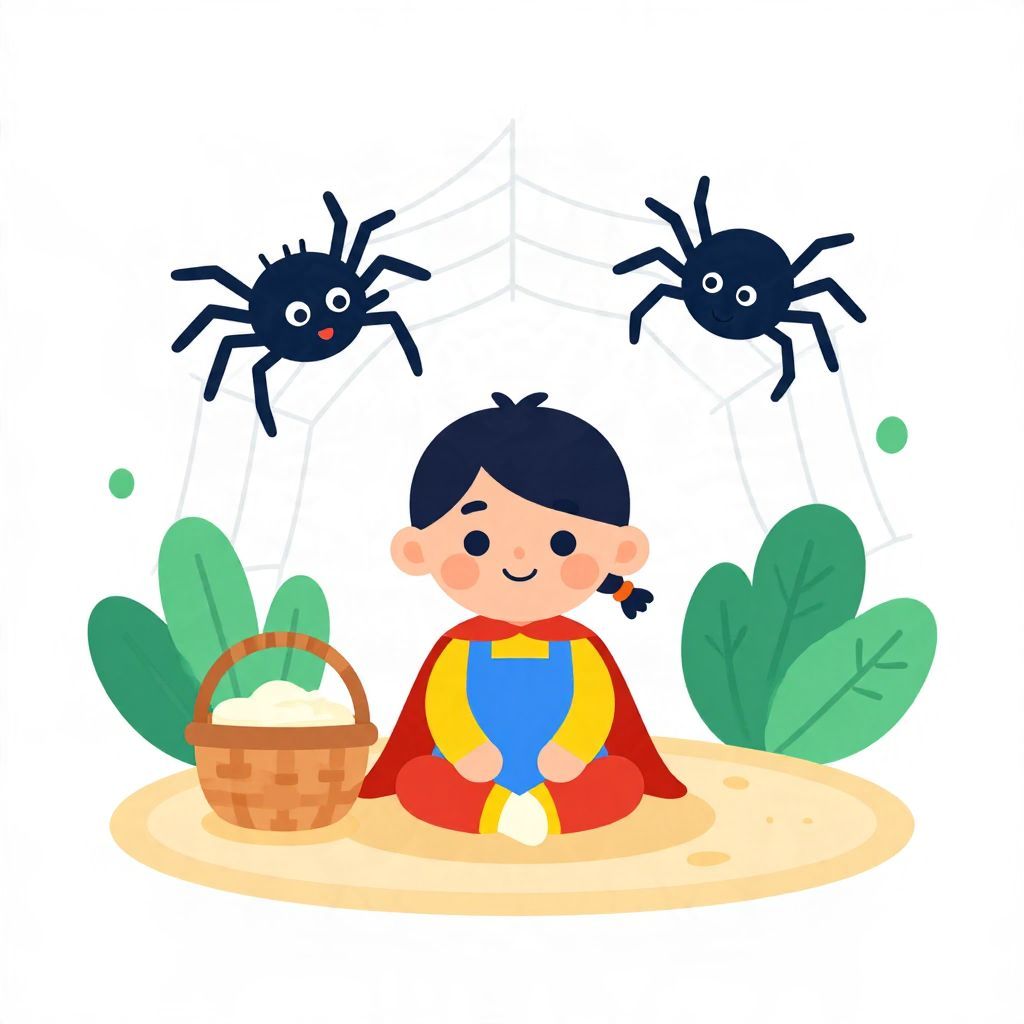
If you’re looking for a clear guide to Super Why Little Miss Muffet, you’re probably after a quick summary, the story’s lesson, and how it fits into the Super Why! universe. This episode-style retelling uses a familiar nursery rhyme to teach early reading skills while turning a simple spider-and-curds-and-whey moment into an interactive adventure.
Below, you’ll find a concise book-style summary, the main themes, the characters and educational devices that shape the story, and a brief review of why it works so well for young readers.
What is Super Why Little Miss Muffet about?
“Little Miss Muffet” in Super Why! is a child-friendly adaptation of the classic nursery rhyme, built around reading, problem-solving, and rhyme recognition. The story follows the familiar setup of Little Miss Muffet being startled by a spider, but the Super Why! format turns it into an interactive literacy lesson, with the characters helping resolve the problem through letters, words, and storybook thinking.
Plot summary
The original nursery rhyme is very short, so the Super Why! version expands it into a simple narrative with a beginning, middle, and end. The central conflict remains the same: Little Miss Muffet is sitting and eating when a spider appears and frightens her away.
In the Super Why! adaptation, the characters enter the story world to help Little Miss Muffet understand what is happening and how to respond. Instead of simply repeating the rhyme, the episode uses questions, word play, and problem-solving to make the story more engaging for early readers.
How the story is structured
- Setup: Little Miss Muffet is introduced in a recognizable nursery-rhyme scene.
- Conflict: A spider appears, creating a moment of fear or surprise.
- Interactive problem-solving: The Super Why! characters guide the audience through reading clues and making sense of the story.
- Resolution: The story is resolved in a reassuring, child-appropriate way that reinforces comprehension and confidence.
Who are the main characters?
The exact cast depends on the Super Why! episode or adaptation format, but the story usually centers on the franchise’s core reading team and the nursery-rhyme character herself. The familiar Super Why! group acts as guides rather than replacing the rhyme’s original focus.
Little Miss Muffet
She is the main figure from the rhyme and the emotional center of the story. Her reaction to the spider gives the narrative its tension and makes the lesson accessible to young children, who often relate to sudden fear or surprise.
The Super Why! reading team
These characters typically model literacy strategies such as sounding out words, noticing rhyme, and asking questions about the text. Their role is less about drama and more about helping children participate in the reading process.
The spider
The spider is the story’s symbolic trigger. In nursery-rhyme tradition, it is a small but effective source of suspense, and in Super Why! it becomes a prompt for discussion rather than a true threat.
Themes in Super Why Little Miss Muffet
Although the story is short and simple, it carries several useful themes common to early childhood literature. These themes help explain why the nursery rhyme remains memorable and why Super Why! adapts it so naturally.
Fear and reassurance
The rhyme begins with a child being frightened, but the adaptation softens that fear through playful storytelling. This makes the episode useful for helping children recognize emotions without being overwhelmed by them.
Reading as active participation
One of the clearest themes in Super Why! is that reading is something you do, not just something you receive. Children are encouraged to notice patterns, predict outcomes, and solve problems alongside the characters.
Rhyme and language play
The original “Little Miss Muffet” is built on rhythm and rhyme, which makes it ideal for phonemic awareness. The adaptation highlights those features so that children can hear how language works.
Confidence through comprehension
The story suggests that understanding a text can reduce uncertainty. When children can identify words, patterns, and story clues, even a spooky spider becomes manageable.
Literary style and educational technique
Super Why Little Miss Muffet is best understood as a literacy adaptation rather than a traditional retelling. Its style is simple, repetitive, and highly visual, which suits preschool and early elementary readers.
Use of repetition
Repetition helps children anticipate what comes next. In a short rhyme-based story, repeated language also supports memory and early reading fluency.
Rhyme as a teaching tool
The nursery-rhyme form is especially effective because children can hear sound patterns before they can decode them independently. That makes the story useful for early phonological awareness.
Question-and-answer structure
Super Why! often uses guided questions to keep children engaged. This approach turns reading into a conversation and encourages active thinking rather than passive listening.
Gentle suspense
The spider introduces a small amount of tension, but the story never becomes truly frightening. That balance is important in children’s literature, where suspense should invite curiosity without causing distress.
Symbols and meaning
Even in a story this brief, a few symbols carry extra meaning. These are not complex literary symbols in the adult-fiction sense, but they do help deepen the reading experience for children and caregivers.
The curds and whey
In the traditional rhyme, the food detail gives the scene a domestic, everyday quality. It grounds the story in a familiar setting, making the interruption by the spider feel more vivid.
The spider
The spider can symbolize surprise, fear, or the unknown. In a child’s reading context, it also becomes a chance to practice emotional regulation and problem-solving.
The reading adventure
Within Super Why!, the journey itself symbolizes literacy. The characters’ movement through the story reflects the idea that reading is an exploratory process.
Is Super Why Little Miss Muffet a good read for children?
Yes, especially for preschoolers and beginning readers. Its strength lies in its simplicity: the story is short enough to hold attention, familiar enough to feel safe, and interactive enough to support learning. It works well for read-aloud time, classroom literacy activities, and early reading practice at home.
Why it works
- It uses a well-known rhyme children can quickly recognize.
- It reinforces rhyme, rhythm, and word patterns.
- It presents a mild emotional challenge in a reassuring way.
- It encourages participation rather than passive listening.
Possible limitations
If you are looking for a complex plot or deep character development, this story will feel very light. That is not a flaw for its intended audience, but it does mean the appeal is educational and playful rather than literary in a broad adult sense.
How it compares to the original nursery rhyme
The classic “Little Miss Muffet” is extremely brief, so any adaptation has to expand its meaning. Super Why! does this by adding context, dialogue, and a learning framework while keeping the recognizable core of the rhyme intact.
Compared with the original, the adaptation is:
- More interactive: children are invited to help solve the story.
- More explanatory: the rhyme becomes a reading lesson.
- More reassuring: the fear element is softened for young viewers.
- More educational: it emphasizes letters, words, and comprehension skills.
Review: what makes this adaptation effective?
The main achievement of Super Why Little Miss Muffet is that it transforms a tiny nursery rhyme into a meaningful literacy experience. It does not try to overcomplicate the original; instead, it uses the rhyme’s simplicity as a strength.
For parents and educators, the story offers a useful blend of entertainment and instruction. For children, it turns reading into an adventure where words matter and problems can be solved with attention and curiosity.
If you enjoy this kind of early-literacy retelling, you may also like our guide to Super Why Hansel and Gretel and this explainer on what fables are.